- Publisher : Gigamic
- Designer(s) : Grégory Grard, Matthieu Verdier
- Artist(s) : Miguel Coimbra
- Players : 1–5
- Playing time : 30 Min
- Weight BGG : 1.96
What's this?
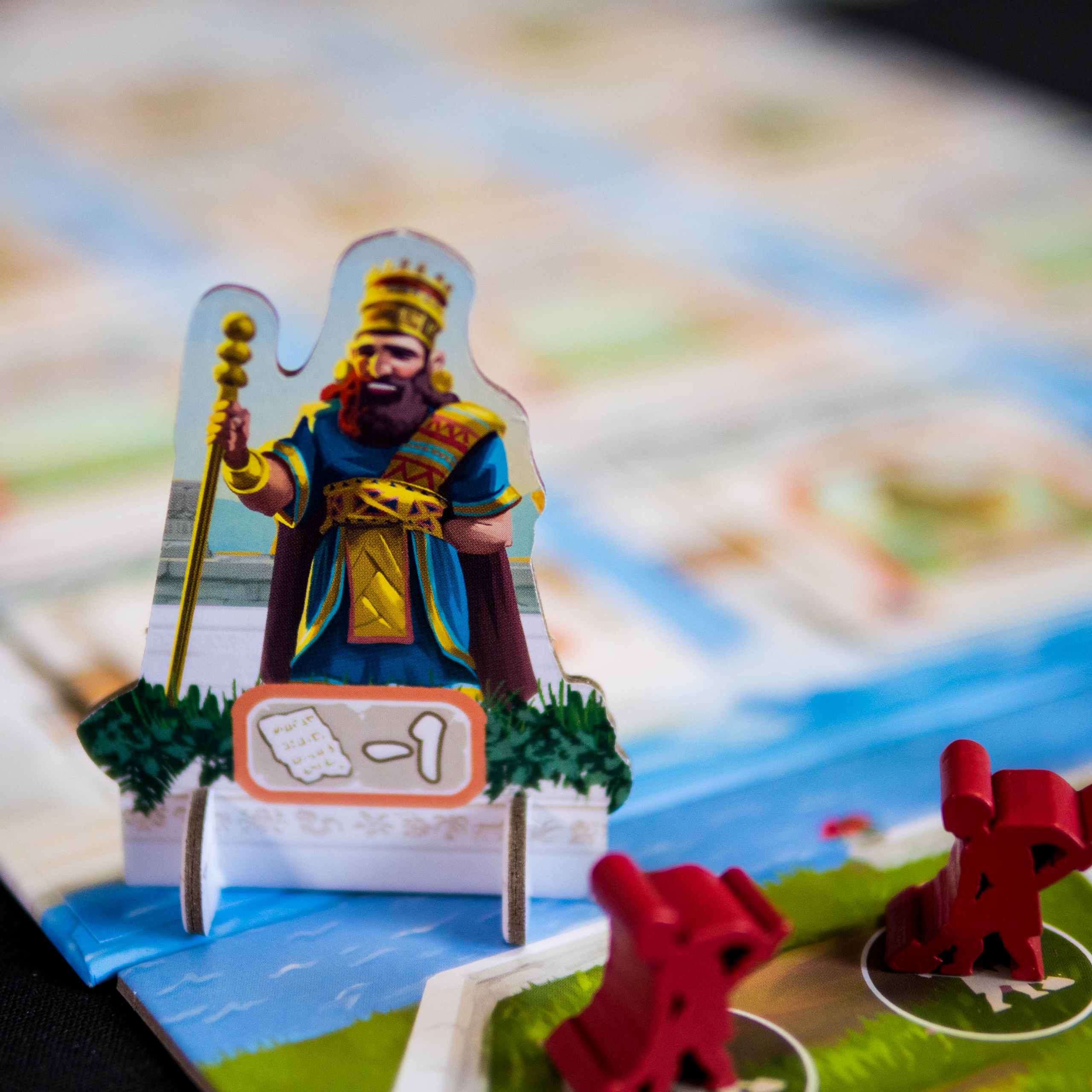
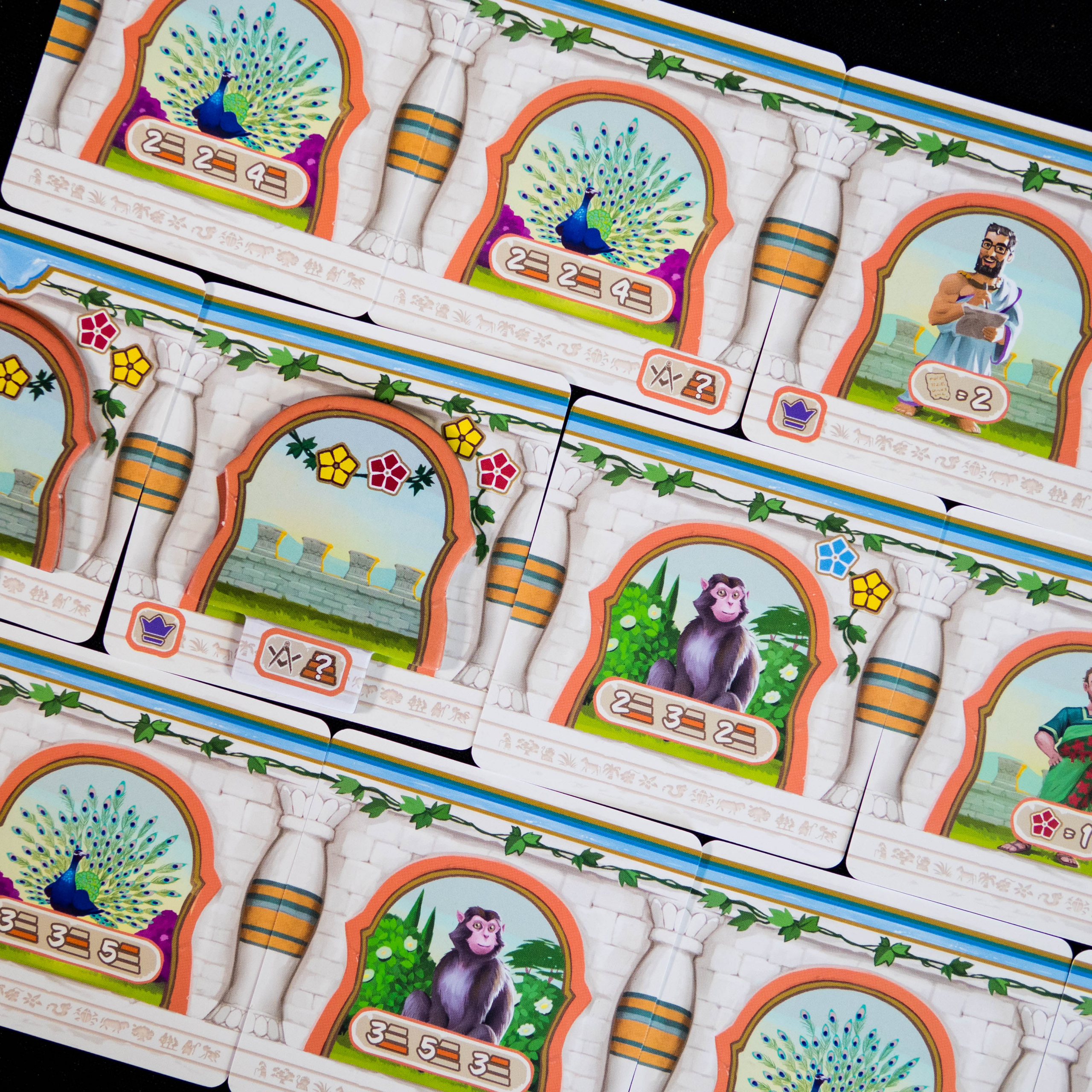
The Hanging Gardens is a competitive and tactical board game for 1 to 4 players, published by Gigamic, in which you play as architects working to create a sumptuous garden.
How do you play?
The game round
On their turn, the active player must follow a series of steps in order :
Build their garden (mandatory) :
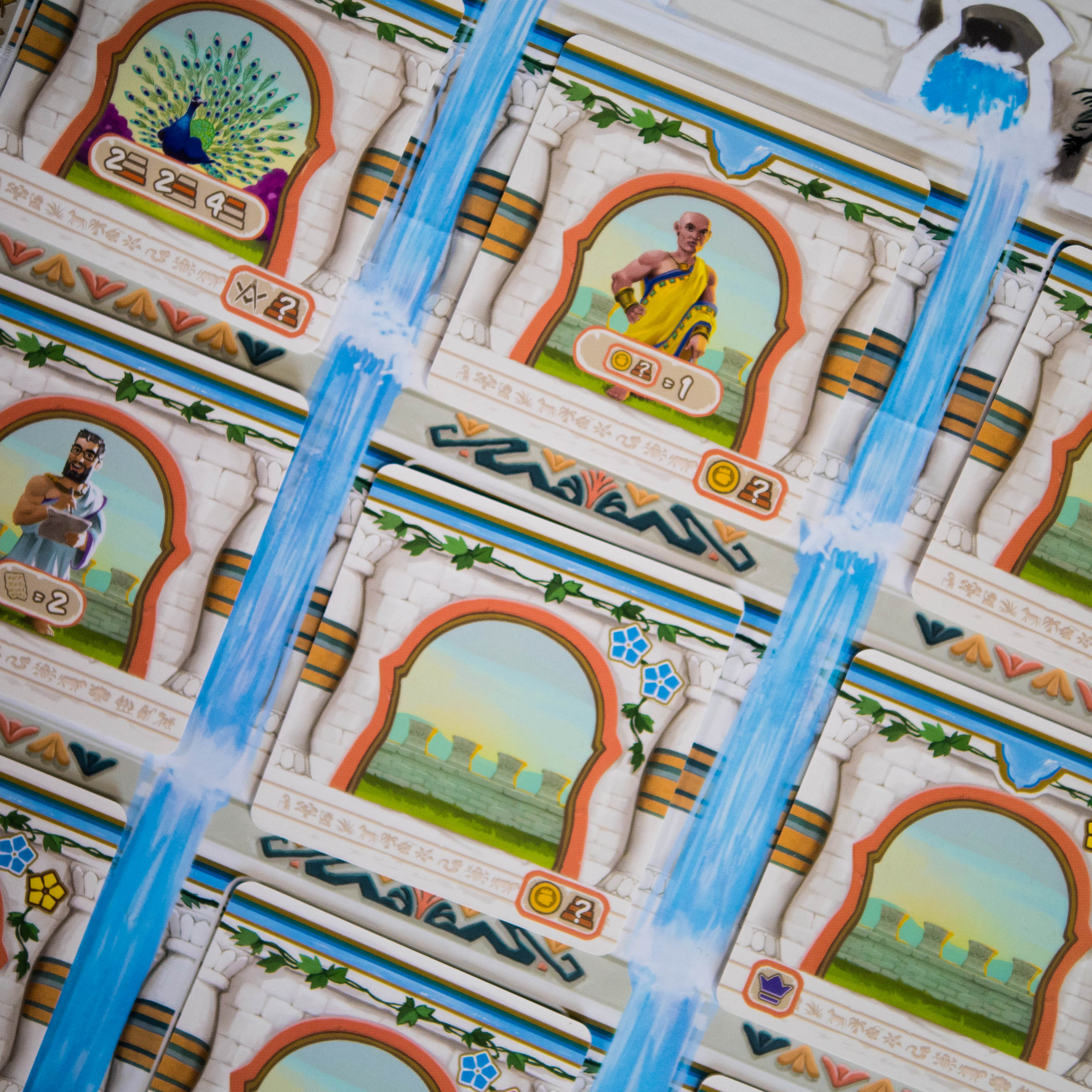
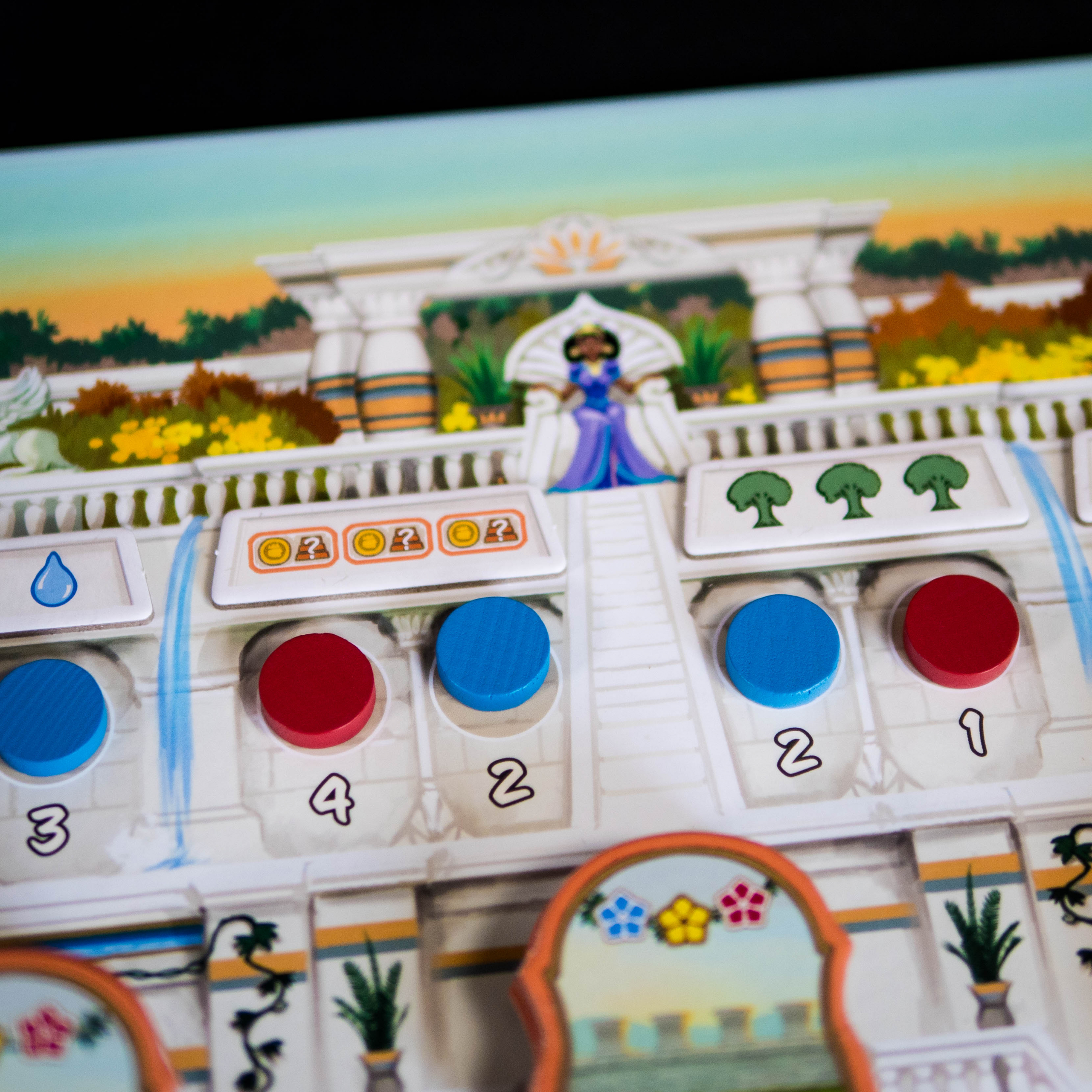
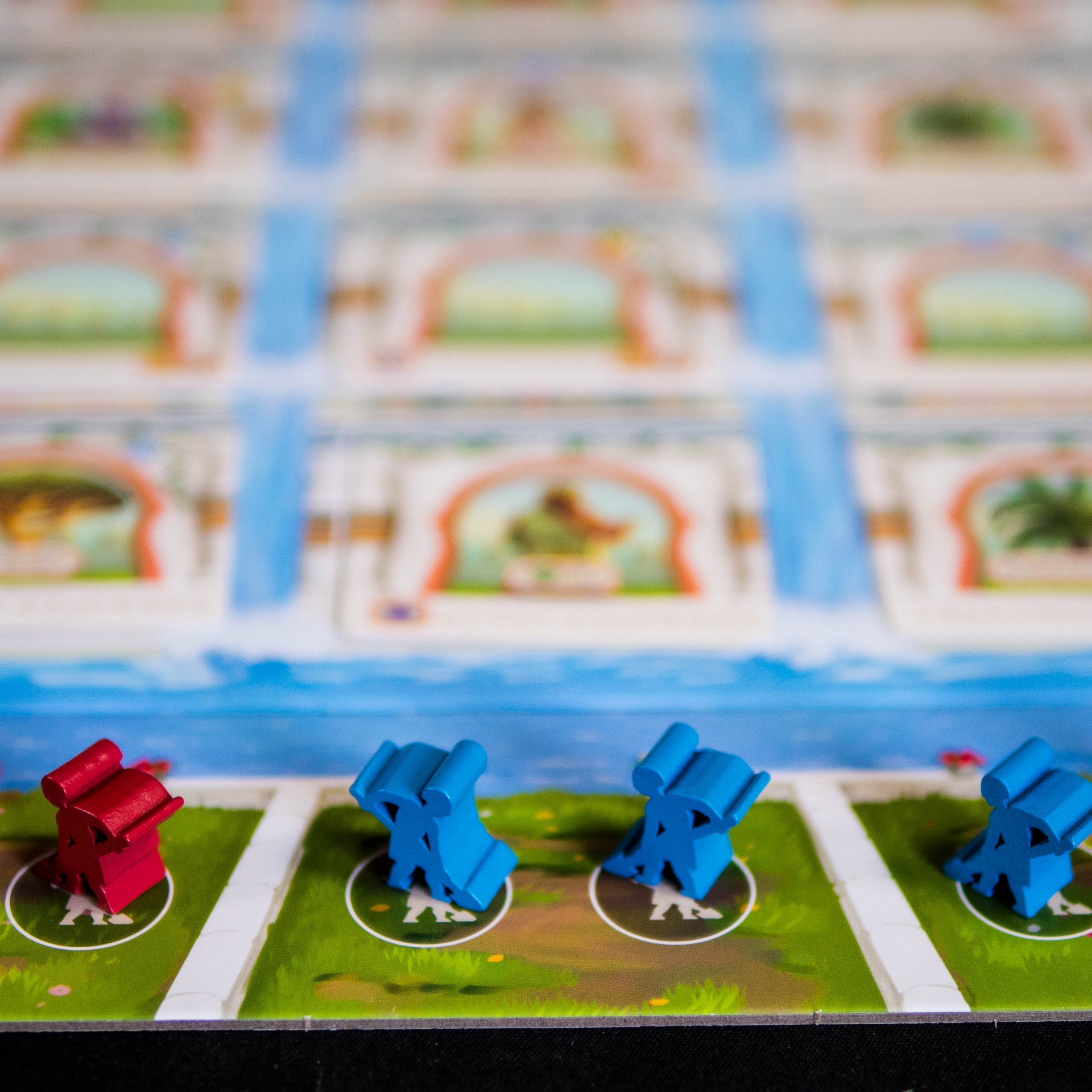
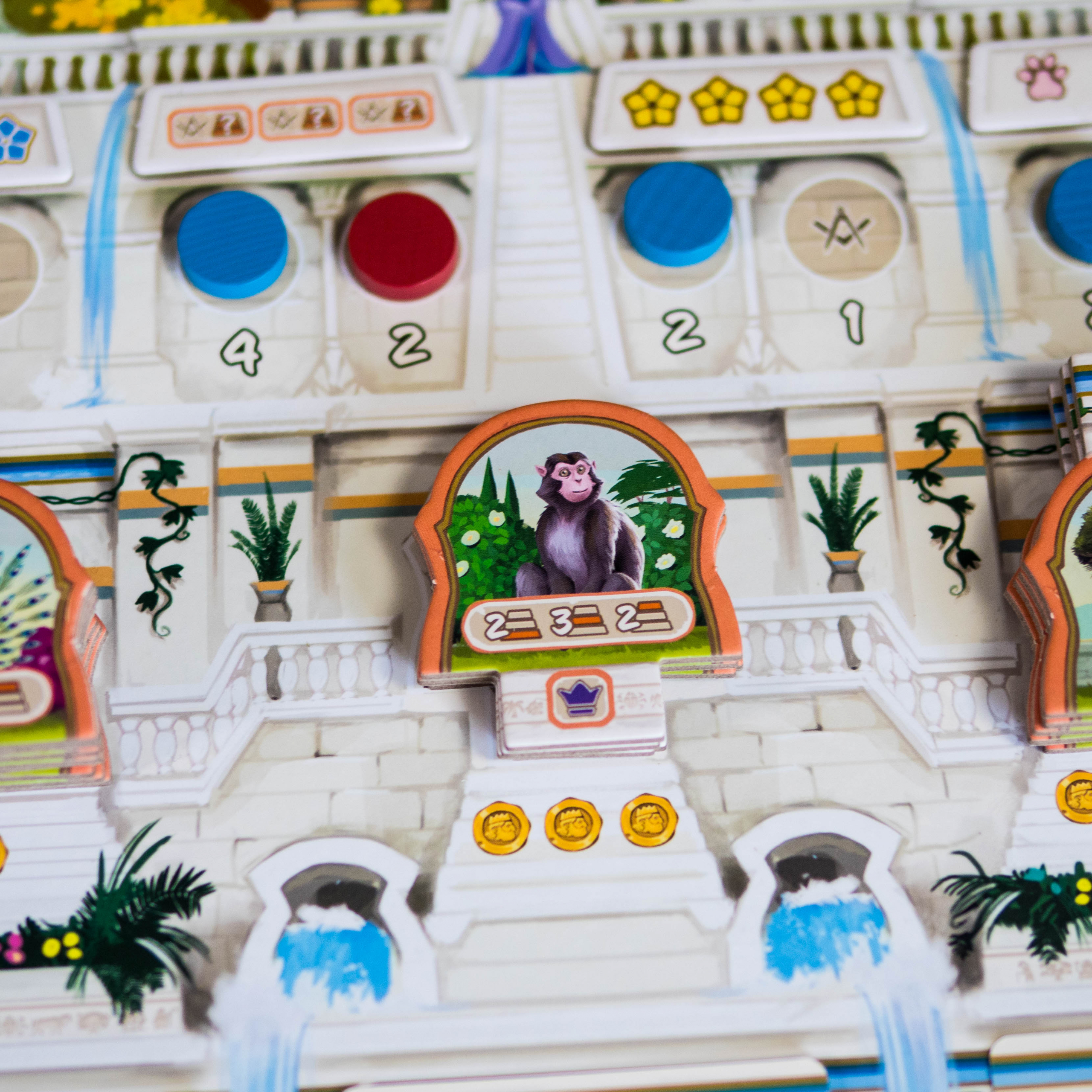
Choosing a Garden Card : The player places one of their gardeners on an empty space at the bottom of one of the three columns of the central board and chooses one of the four cards in that column . Taking the lowest card is free, but higher cards require spending a certain number of tools .
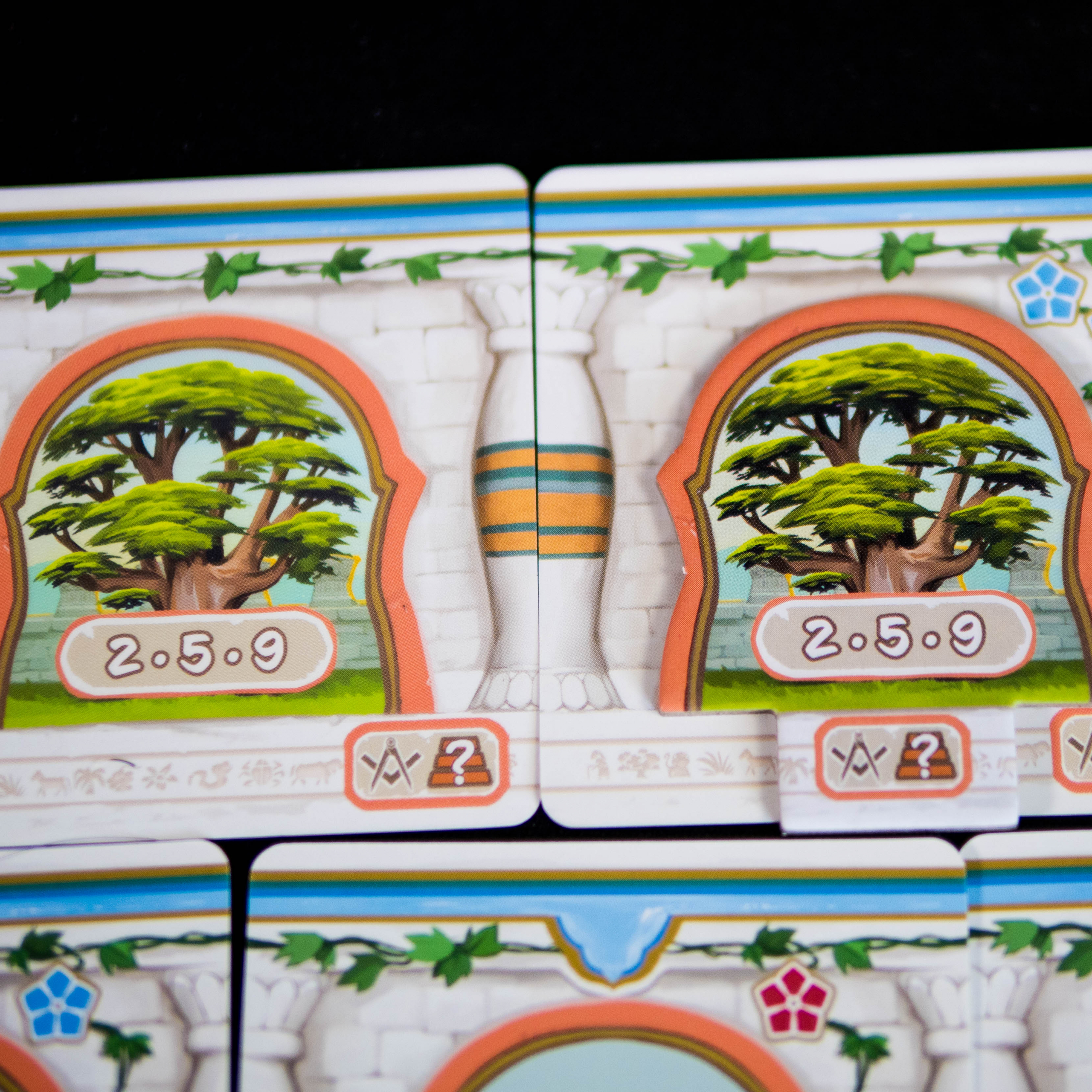
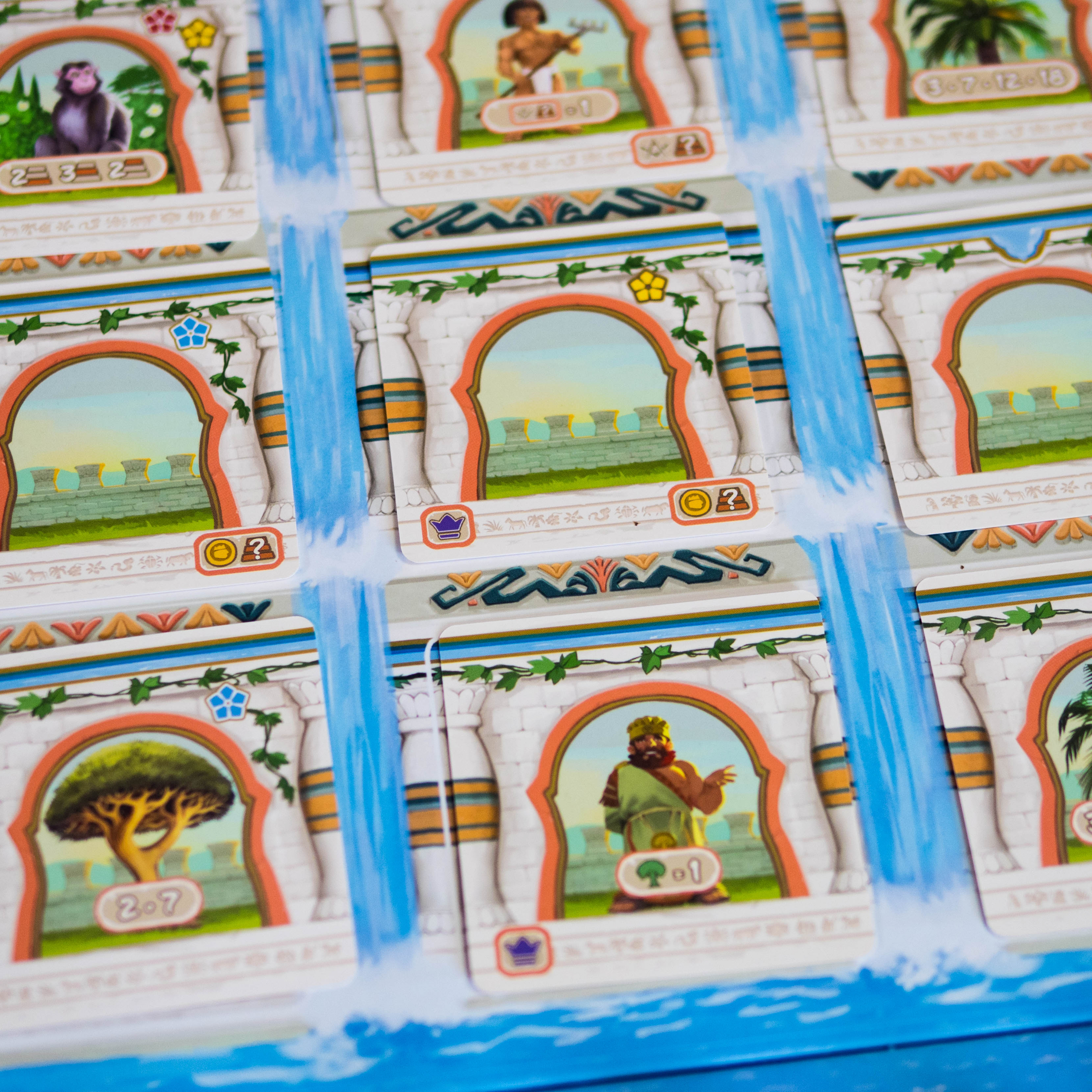
- Place the Garden card : The chosen card is added to the player’s personal garden. To do this, specific placement rules must be followed.
- Resolving the Garden card : Some cards have immediate bonuses or others victory points at the end of the game.
Reveal a new Garden card (required) : After taking a card, the remaining cards in the column slide down and a new card is drawn to fill the top slot .
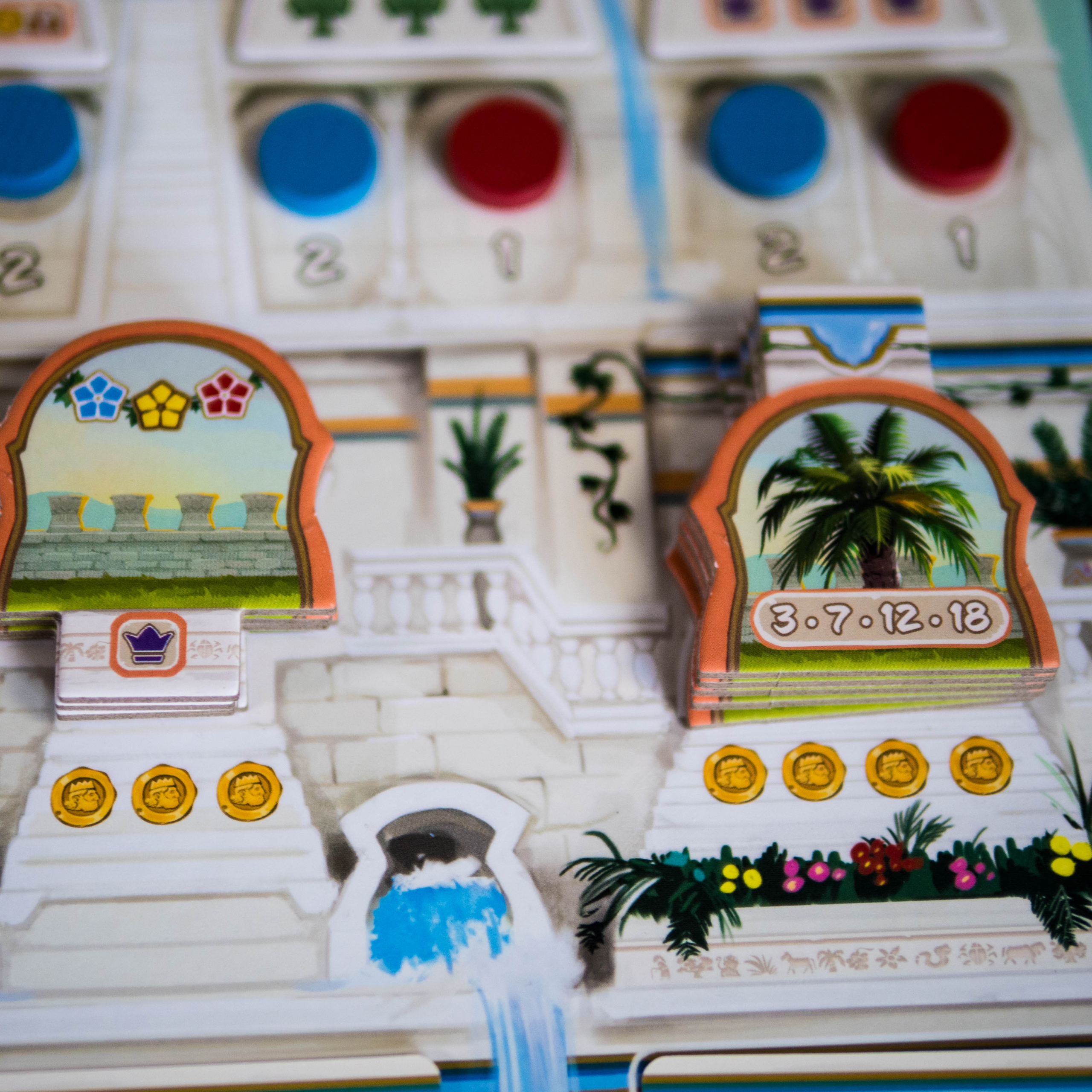
Buy an Embellishment tile (optional) : The player can spend their gold coins to buy an Embellishment tile . This tile must be placed on an “empty” card in their garden .
Validate a royal objective (optional) : At the end of the turn, a player can validate an objective if it meets the required conditions.
End of round and end of game
A round ends when all players have placed their three gardeners. Each player collects them and a new round begins . After the fourth and final round, the game ends and the final score is counted .
Is it good?
I was particularly looking forward to The Hanging Gardens , because I had loved In the Footsteps of Darwin , the previous game by the same authors.
The Hanging Gardens also offers fluid and accessible mechanics, but with a bit more complexity than their previous game. There are more ways to score points, more icons, and more objectives to analyze. Everything is obviously accessible, but it will take a little time to adapt to fully grasp its potential, unlike In the Footsteps of Darwin, which was much more immediate in its gameplay.
The game relies on classic mechanics (card placement, collection) but adds a nice depth, notably with its mix of worker placement to choose cards on the main board, where the limited locations and the cost system force strategic choices.
This depth is reflected in the various ways to score points: the objective race, scoring characters, animals, trees, flowers, and not forgetting your personal irrigation card. The set collections are varied enough to offer good replayability.
The games are fast-paced and without downtime, although analysis paralysis can be felt by some players, given the different ways to score points.
The only criticism one could make is its lack of innovation. The game uses classic mechanics and doesn’t really add anything new. However, the overall effect works wonderfully. It’s an elegant, fluid game that will appeal to players who enjoy family-friendly games of optimization and short-term planning, with multiple ways to score.
My review on The Hanging Gardens
Positives
- Smooth and accessible mechanics
- Multiple ways to score points
- Good replayability
- Quick games
- Elegant and coherent
Negatives
- Lack of innovation
- Little direct interaction
- A theme quickly forgotten