- Publisher(s) : Asmodee
- Designer : Kei Kajino
- Artist(s) : Gilles-Romain Fonteny, Shohei Asaoka
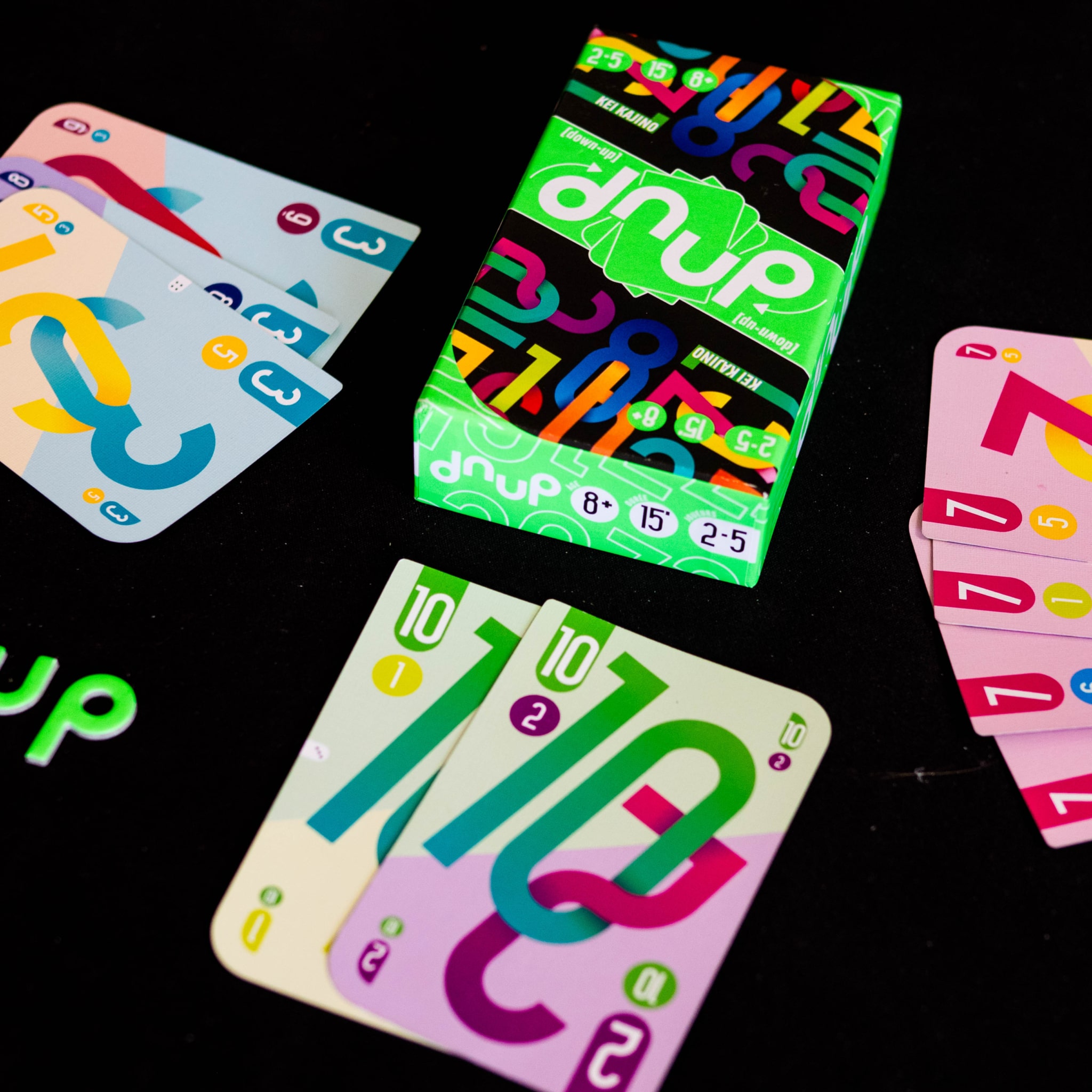
- Players : 2–5
- Playing time : 15 - 20 Min
- Weight BGG : 1.43
What's this?
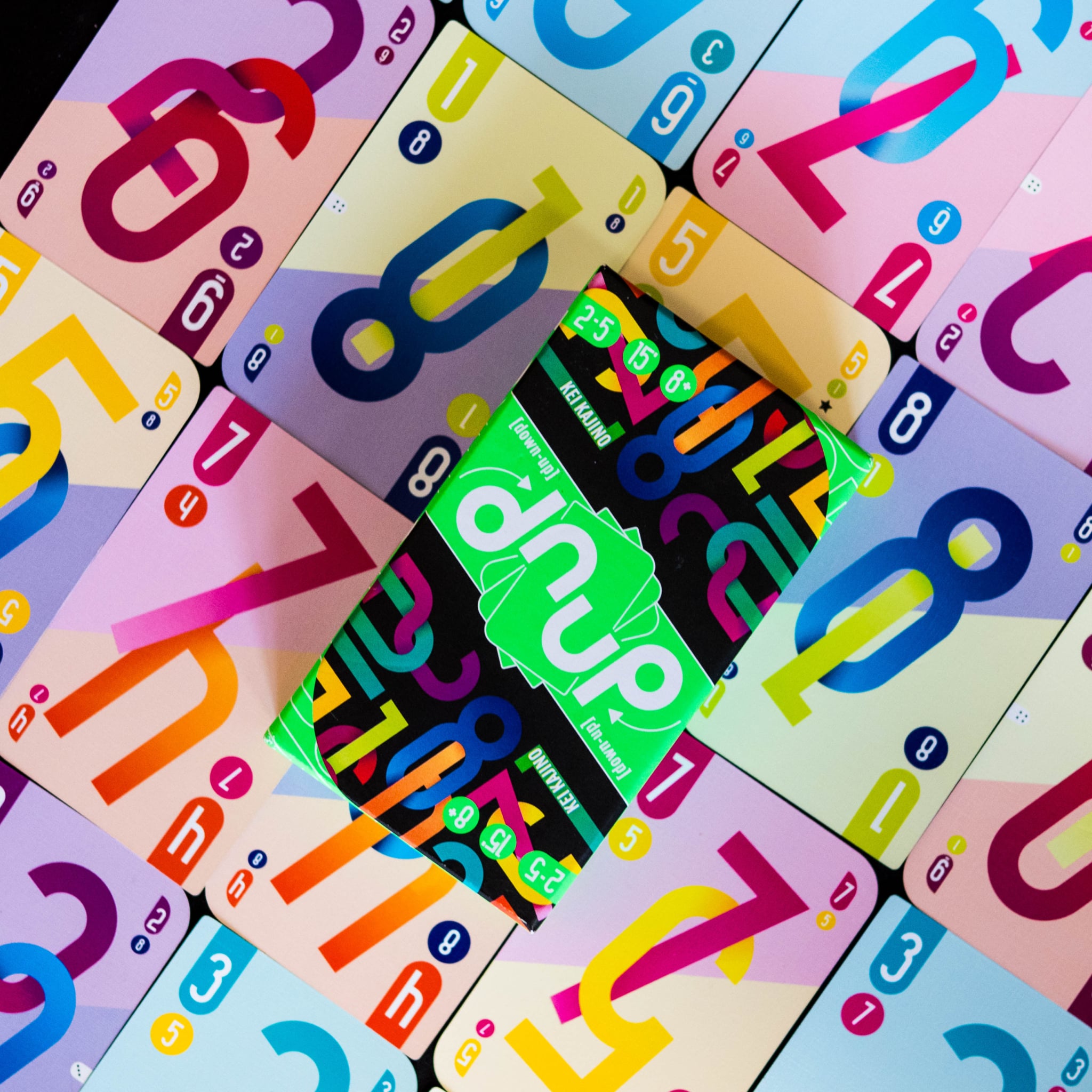
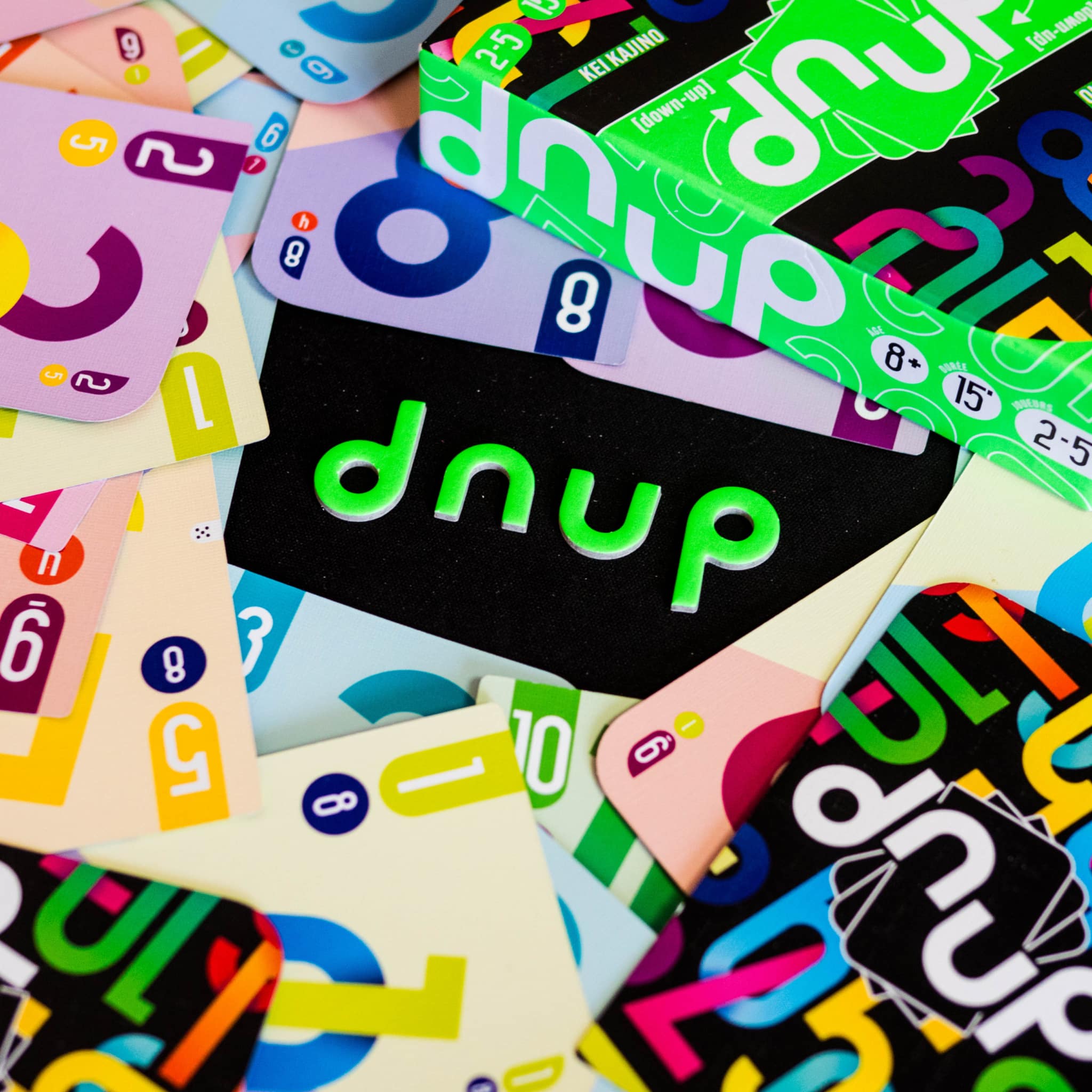
Dnup is a trick-taking card game by Kei Kajino, published by Asmodee . Designed for 2 to 5 players, your goal is clear: be the first to completely empty your hand.
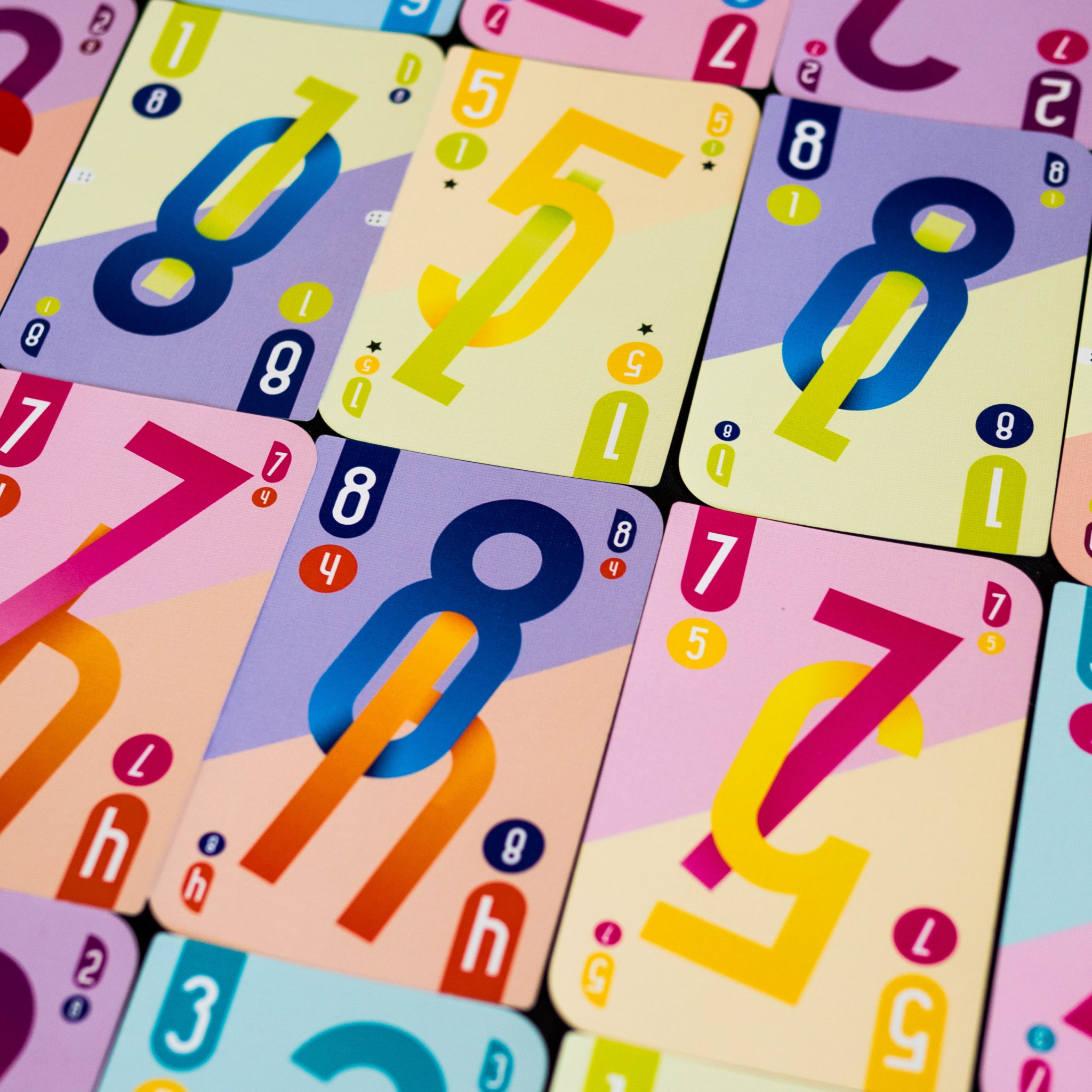
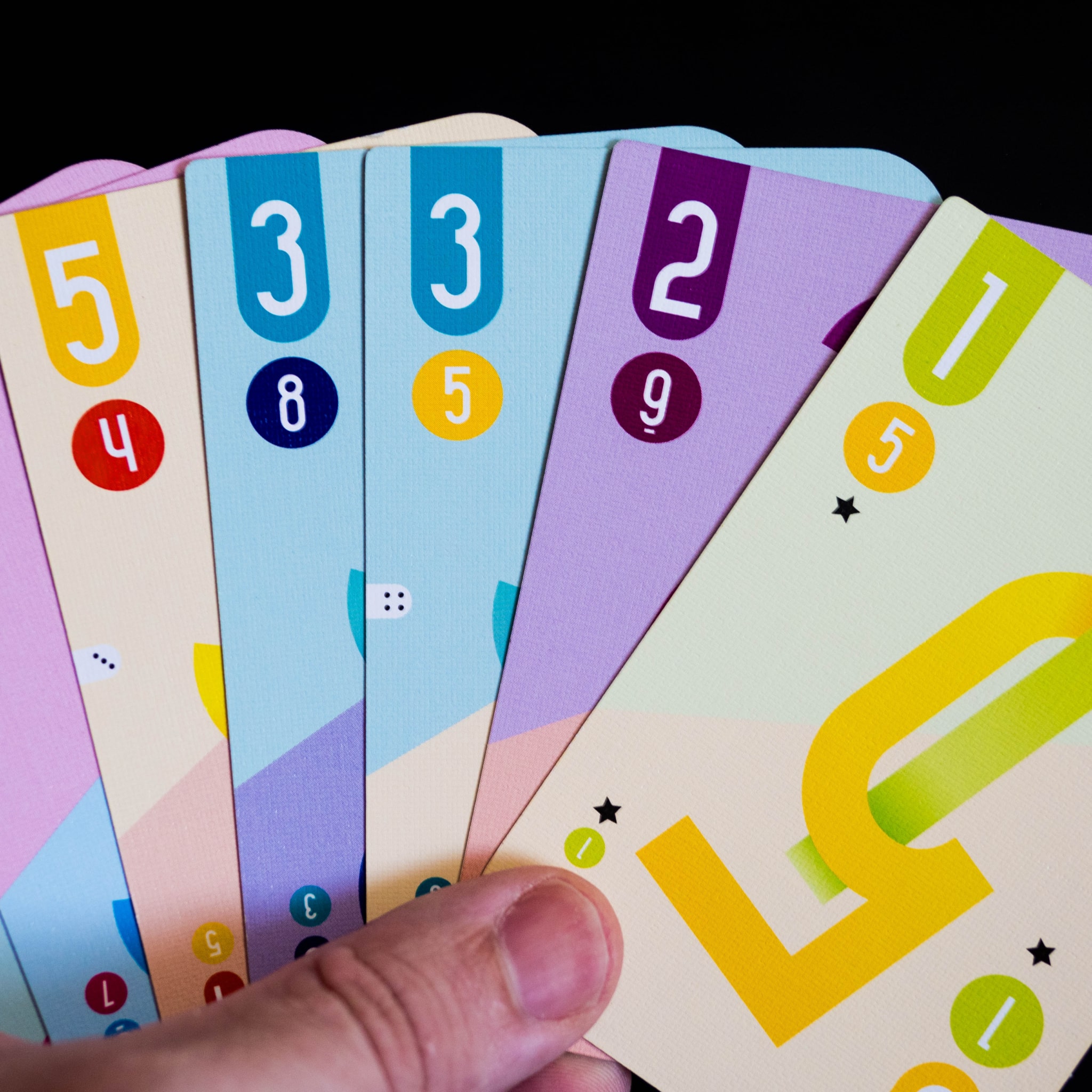
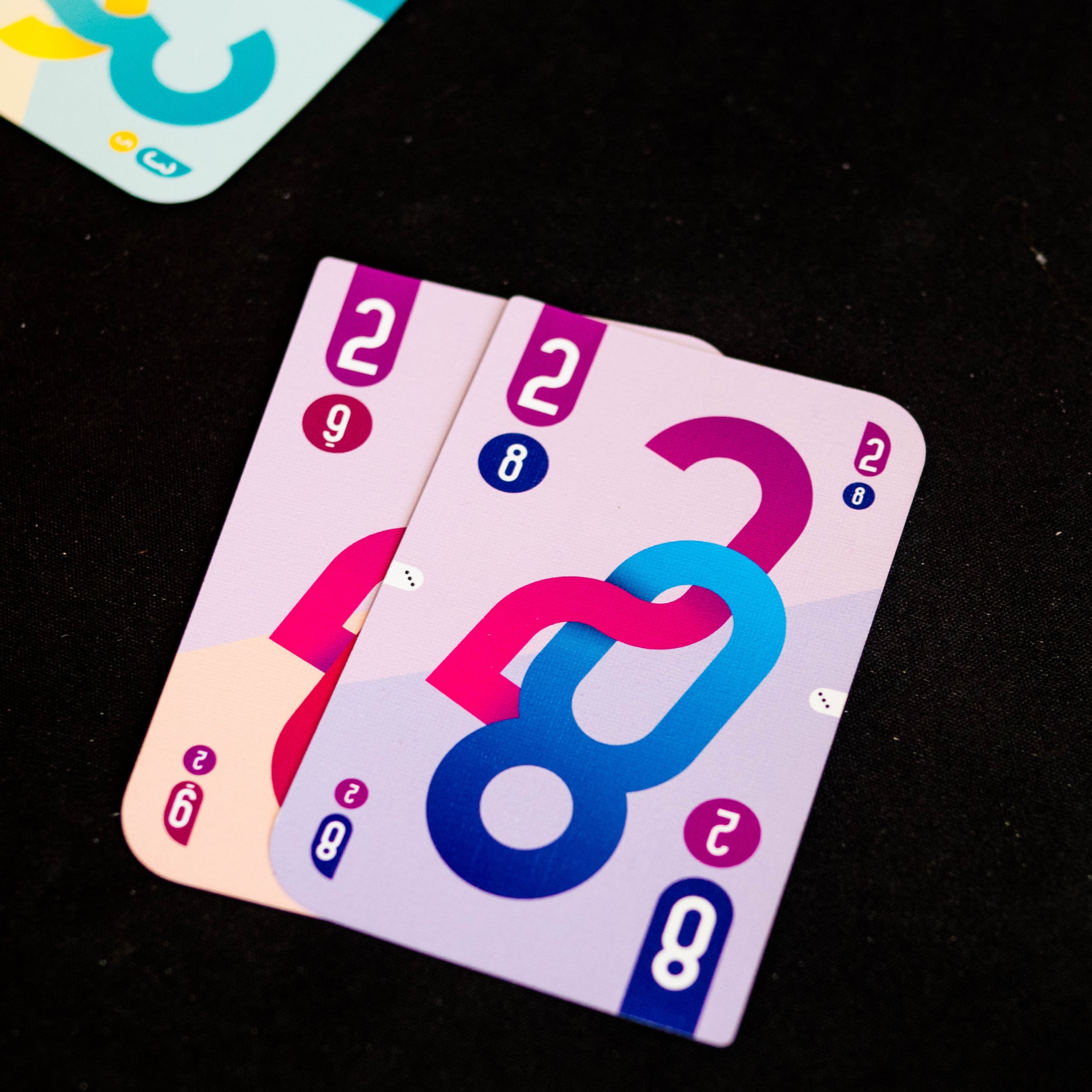
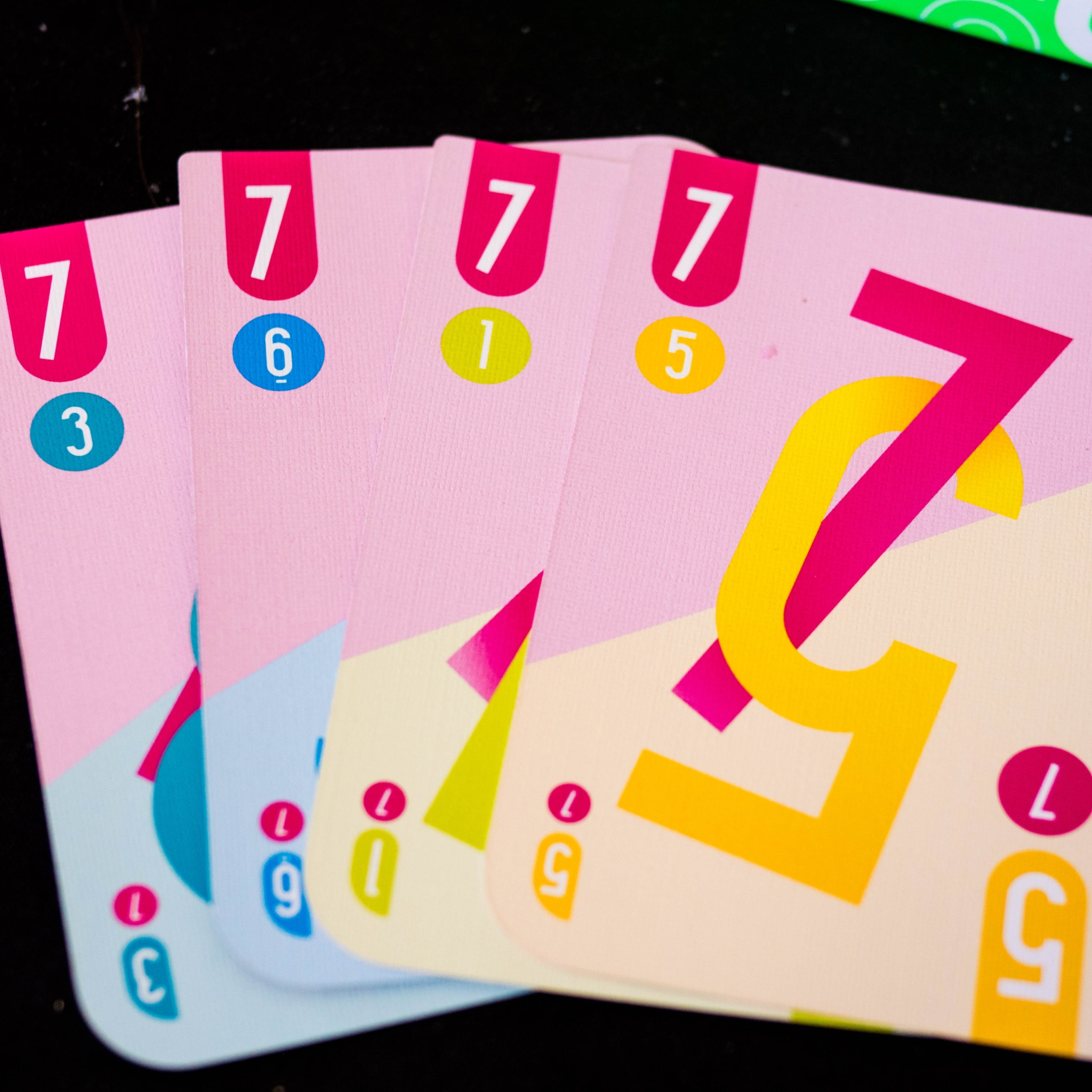
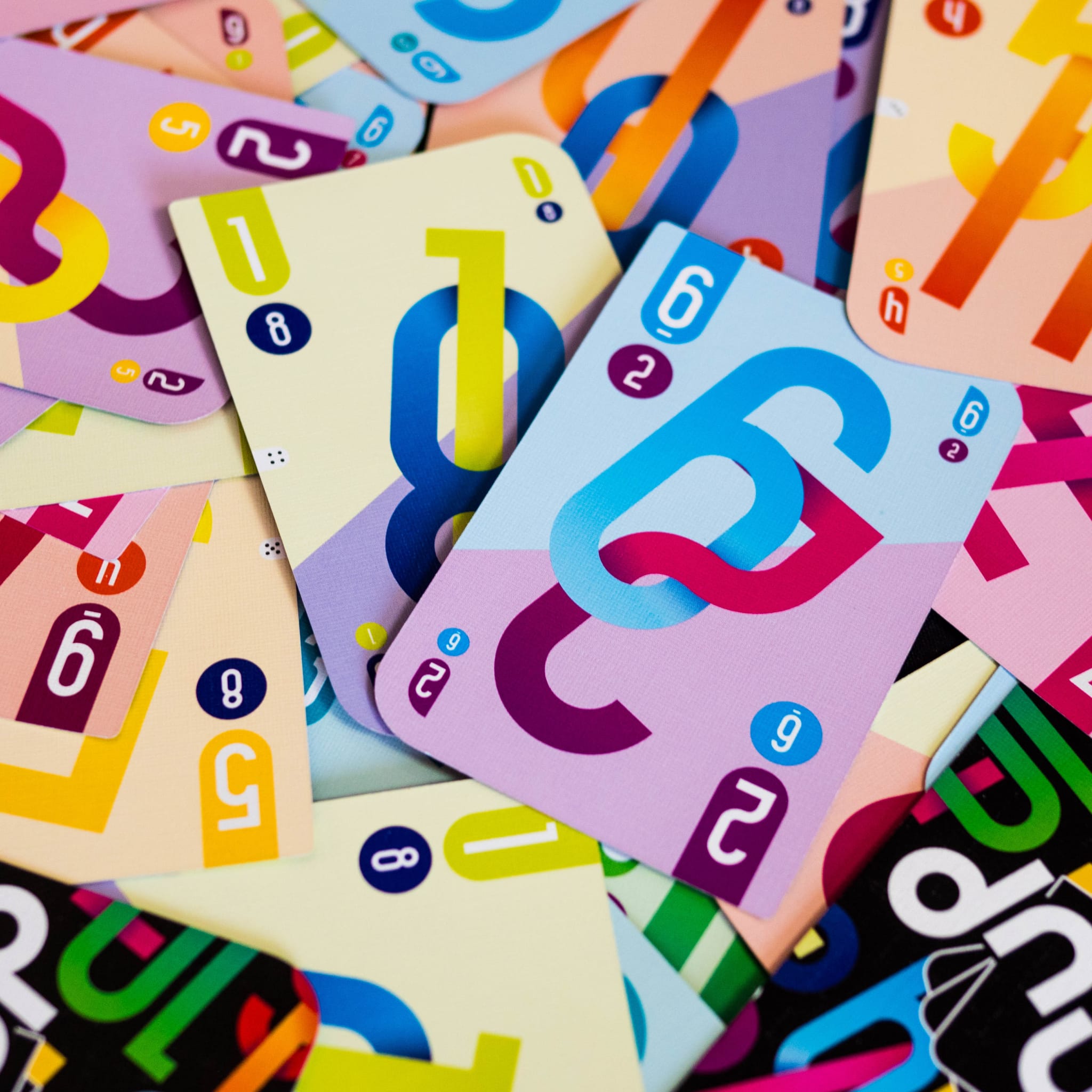
The game’s unique feature lies in its components: the cards have an active value (at the top) and an inactive value (at the bottom, upside down) . Throughout the game, you will need to rotate your cards, radically changing your playing options .
How do you play?
First of all, you discard the set you played during your previous turn.
You then perform one action from the following four:
1. Place a series in front of you
You play one or more identical cards from your hand to create a new set.
If a set of the same size is already present on the table, yours must be of higher value to be played.
2. Add a card to an opponent’s hand
You can complete an opponent’s set with a card of the same value.
This new set must then become the best set of that size currently on the table. If it doesn’t, the action is impossible.
3. Take an opponent’s series
You recover an entire set laid in front of an opponent.
All cards must be turned over before being added to your hand, which changes their value.
4. Turn your whole hand over
You simultaneously turn over all the cards in your hand to reverse their active and inactive values.
This action often helps to resolve a situation or prepare for a major move.
End of round
As soon as a player empties their hand, they immediately score 2 points .
The second player to get rid of their cards wins 1 point , then the round ends.
The game continues until one player reaches 4 points (or wins two rounds in the two-player variant).
Is it good?
Dnup is a discard game that might remind you of a mix of Scout by the same author and Odin .
Dnup is a shedding game where each card has a double value depending on its orientation. You plan, you calculate, you take risks to see if your sequence of cards will succeed and not be countered. It’s opportunistic and forces you to make choices: should you immediately lay down a large sequence, turn your hand over to prepare for the next turn, or take an opponent’s sequence to strengthen your own hand?
The game is dynamic and fluid: only one action is performed per turn, which limits waiting times and allows for quick succession of rounds.
The game requires reading, analyzing the cards played and anticipation, but also bluffing, when you play cards or sets secretly hoping that someone will outbid you so that you can take them back and turn the cards in your hand to get better cards.
The game is tense: we keep a close eye on our opponents, crossing our fingers. The game generates a fantastic dynamic around the table with constant twists and turns.
It can be criticized for its familiar mechanics, as well as for being frustrating for players who like to be in complete control. The game relies heavily on opportunism, randomness, and player interactions, which can easily derail your plans. It also works best with four or more players.
In the end, Dnup is a pleasant surprise. Behind its apparent simplicity lies a fast-paced, clever, and particularly interactive card game, ideal for players who enjoy quick tactical battles where every decision can completely turn the tide.
Dnup review
Positives
- Very dynamic and fluid
- Strong interaction between players
- Numerous plot twists
- An interesting mix of bluffing, reading, and risk-taking
Negatives
- May frustrate players who like total control
- A significant element of chance and opportunism
- Mechanics already seen in other games