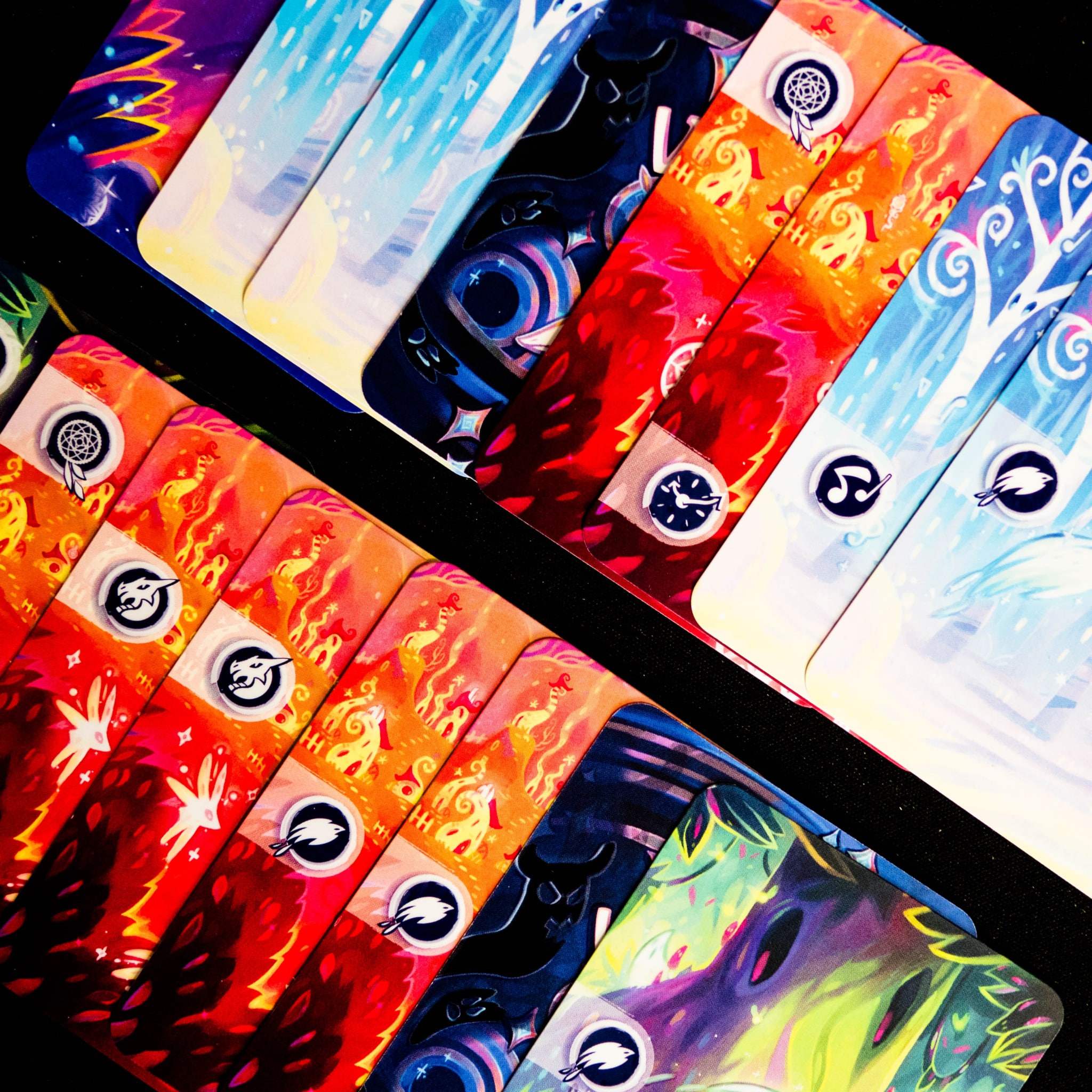
n turn, a player performs 2 steps:
1. Play a card
The player chooses a card from their hand to perform one of the following actions.
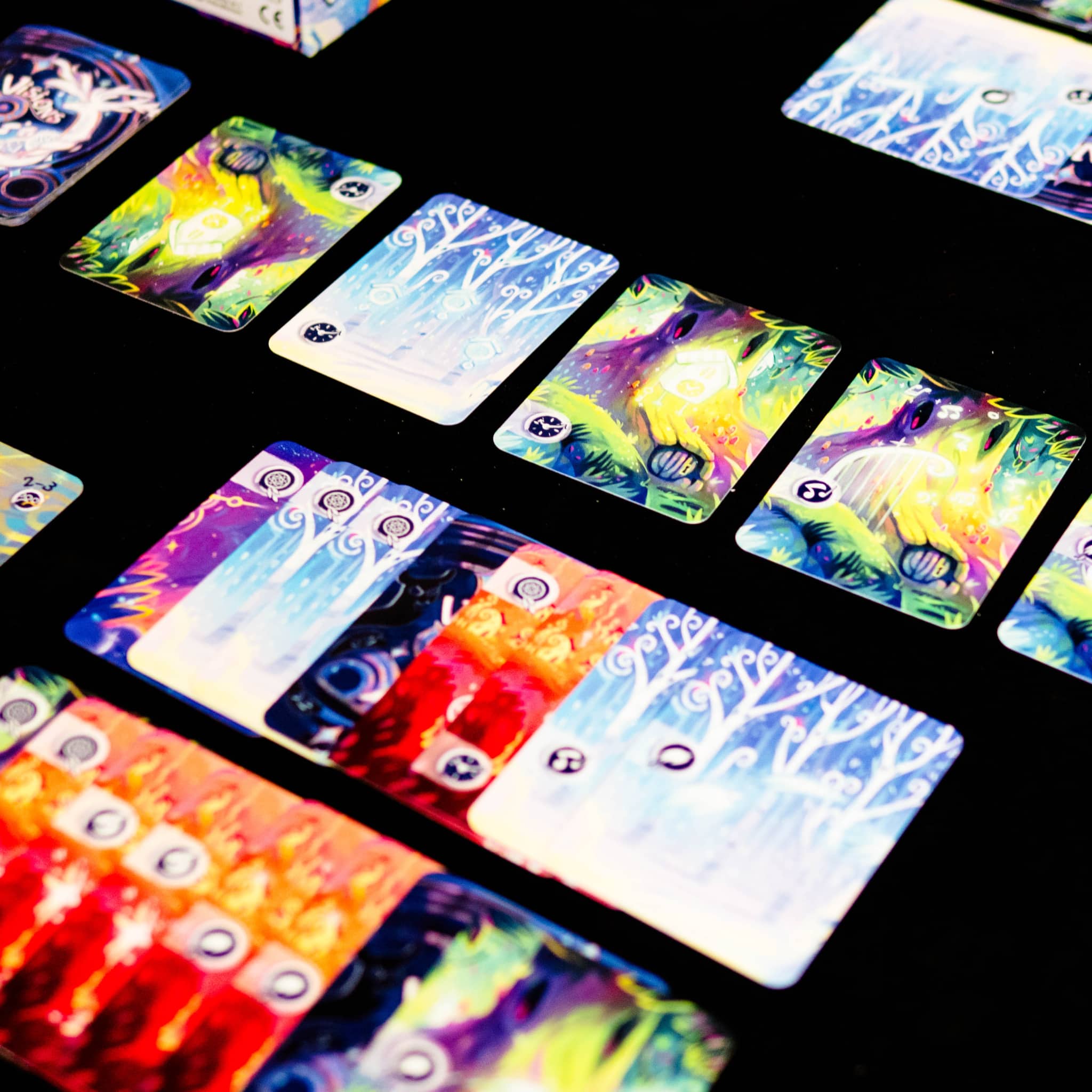
A. Starting a new dream
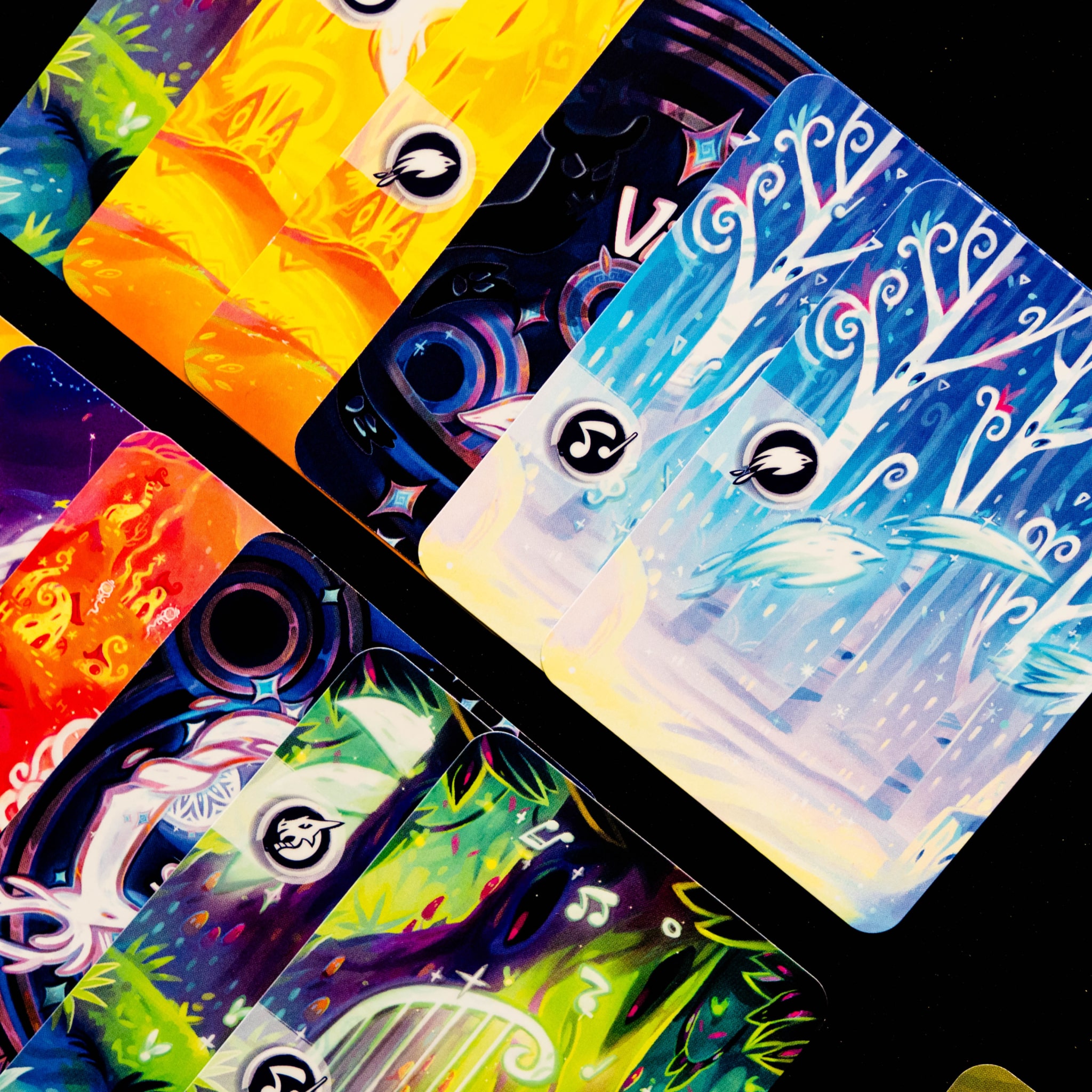
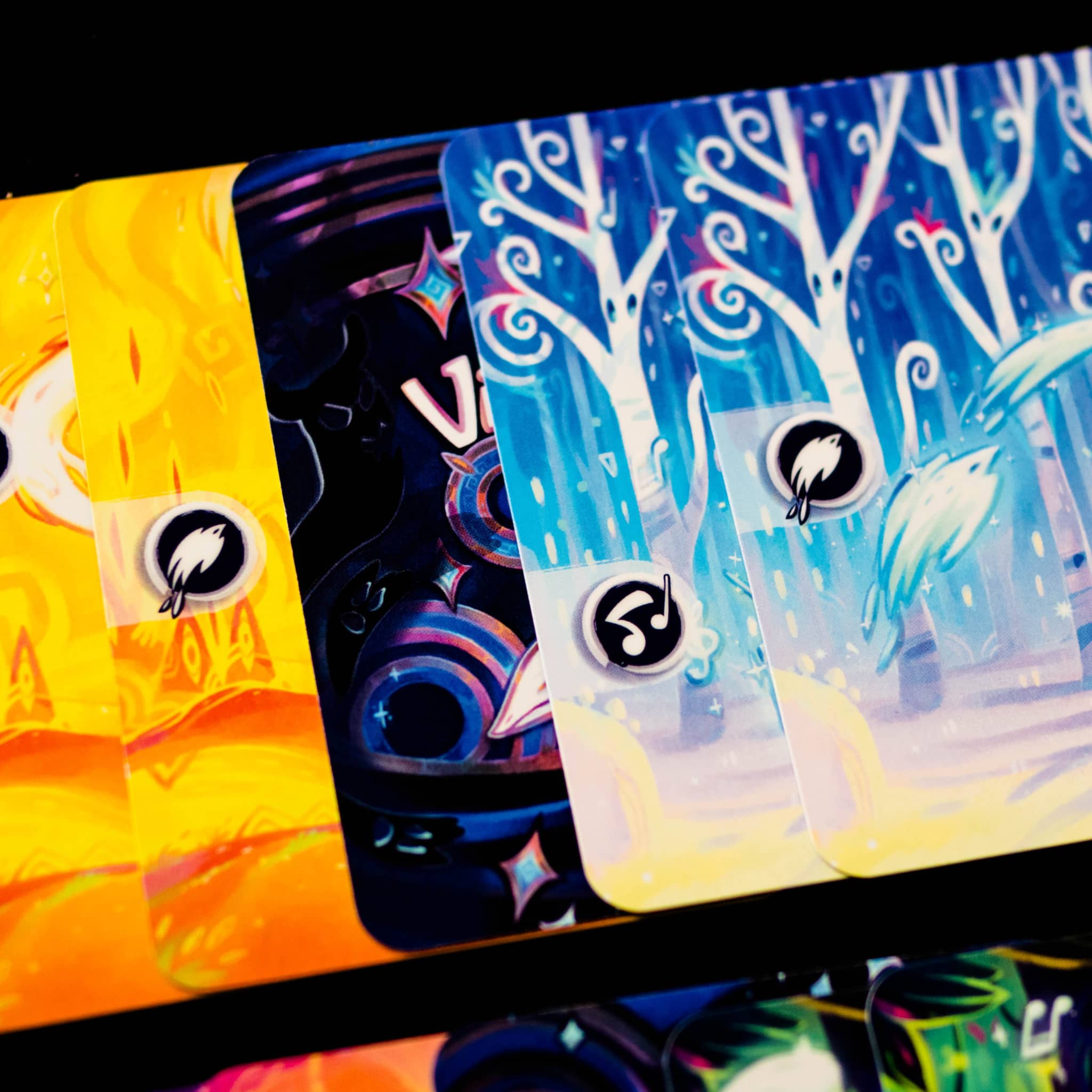
The player places a card in front of them to begin a new dream line. Each player can create a maximum of two dreams during the game.
B. Pursuing a dream
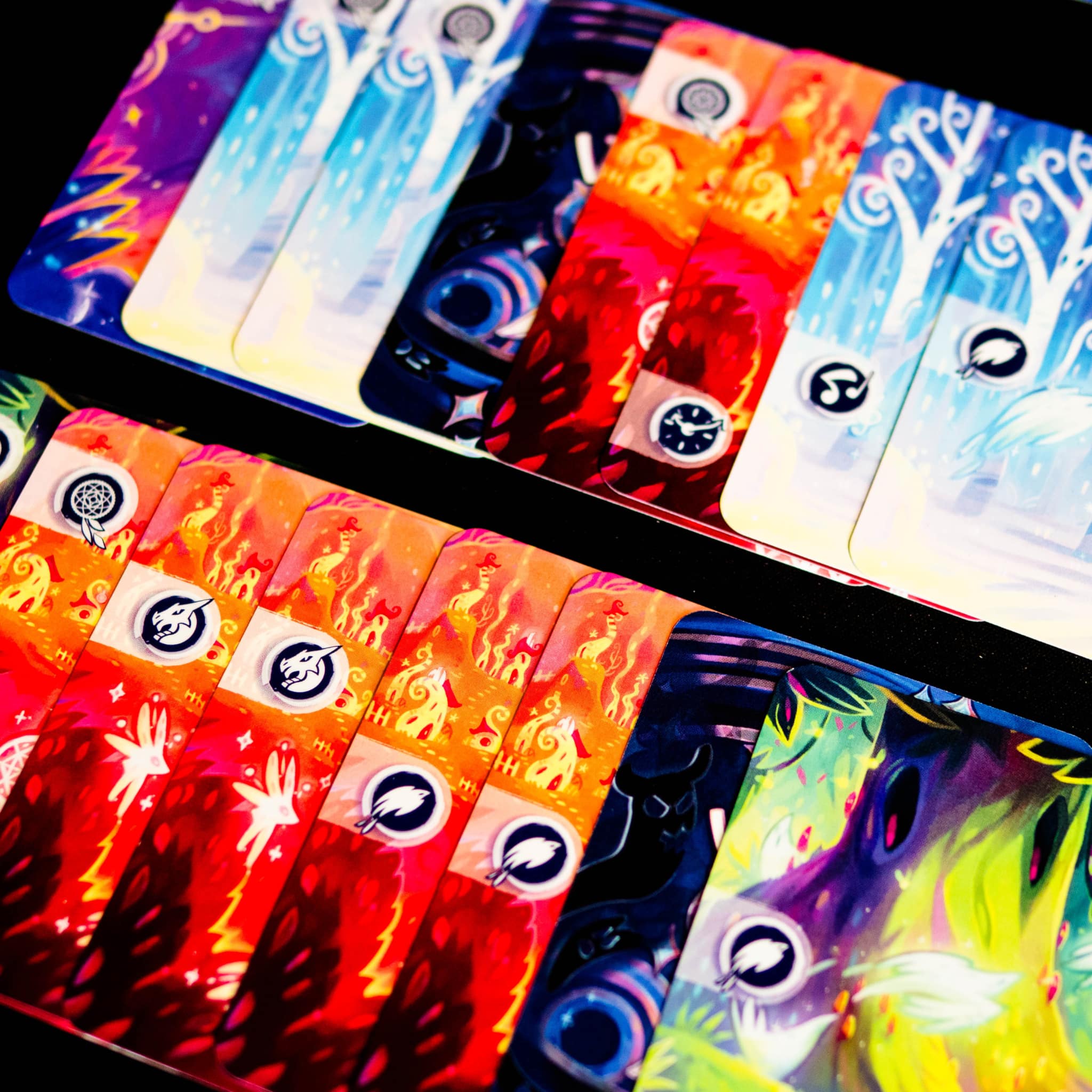
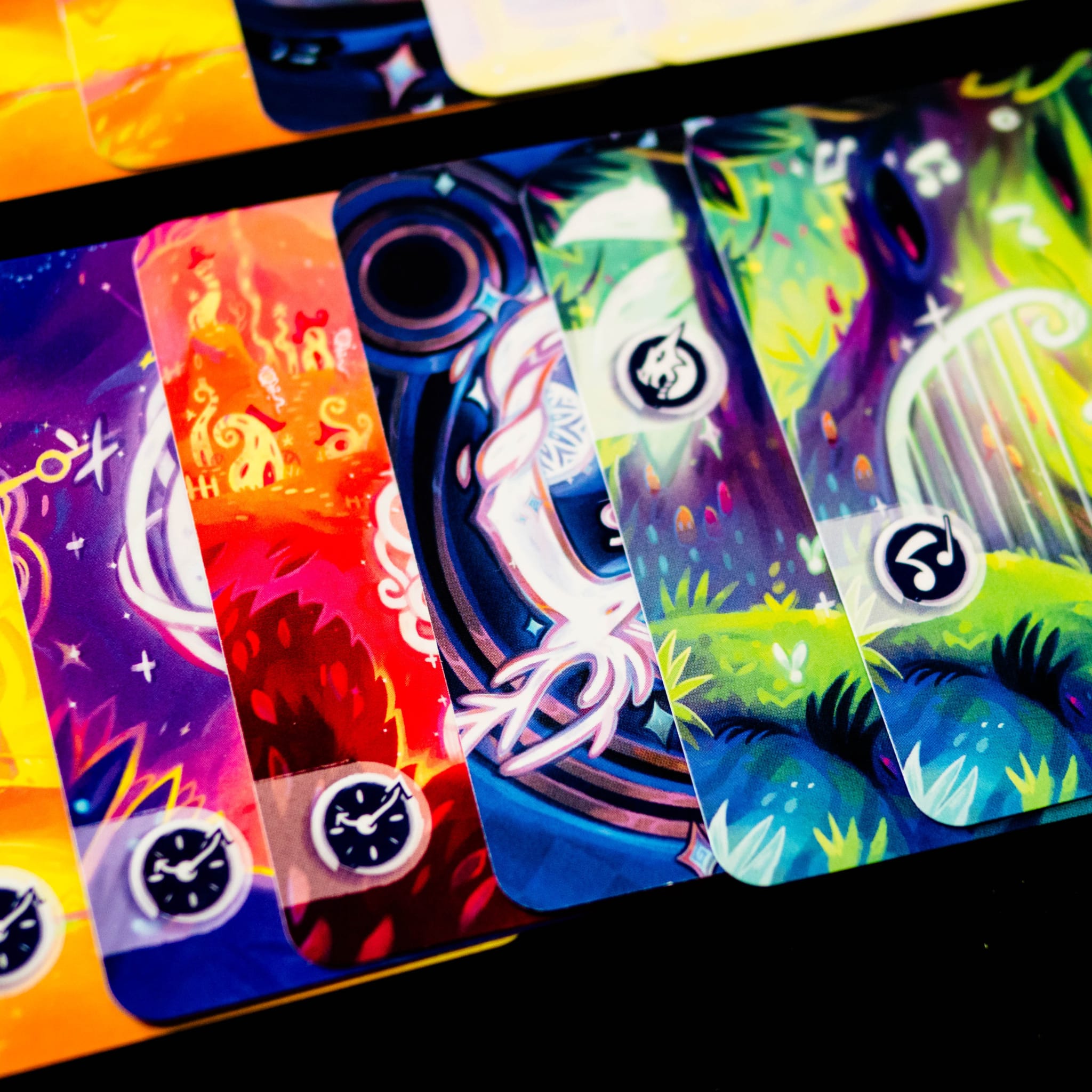
To add a card to an existing dream, it must share:
- either the same category;
- either the same environment;
with the last card of the dream in question.
C. Playing out a nightmare
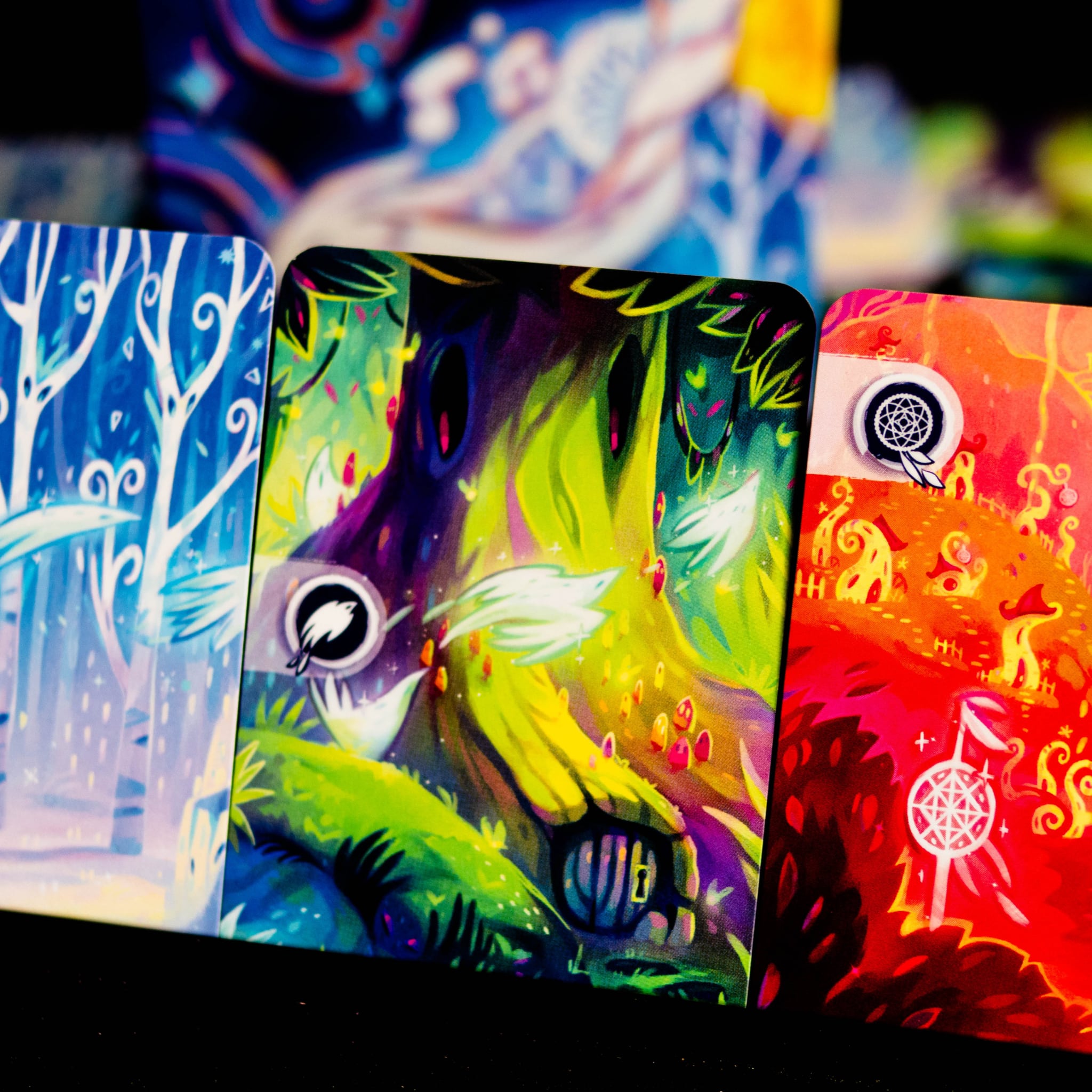
If no card can be played normally or simply by strategic choice, the player can place a card face down as a nightmare.
Effects:
- He steals a card at random from an opponent;
- This opponent immediately draws another card.
The nightmare then acts as a joker: any card can follow.
Reflections
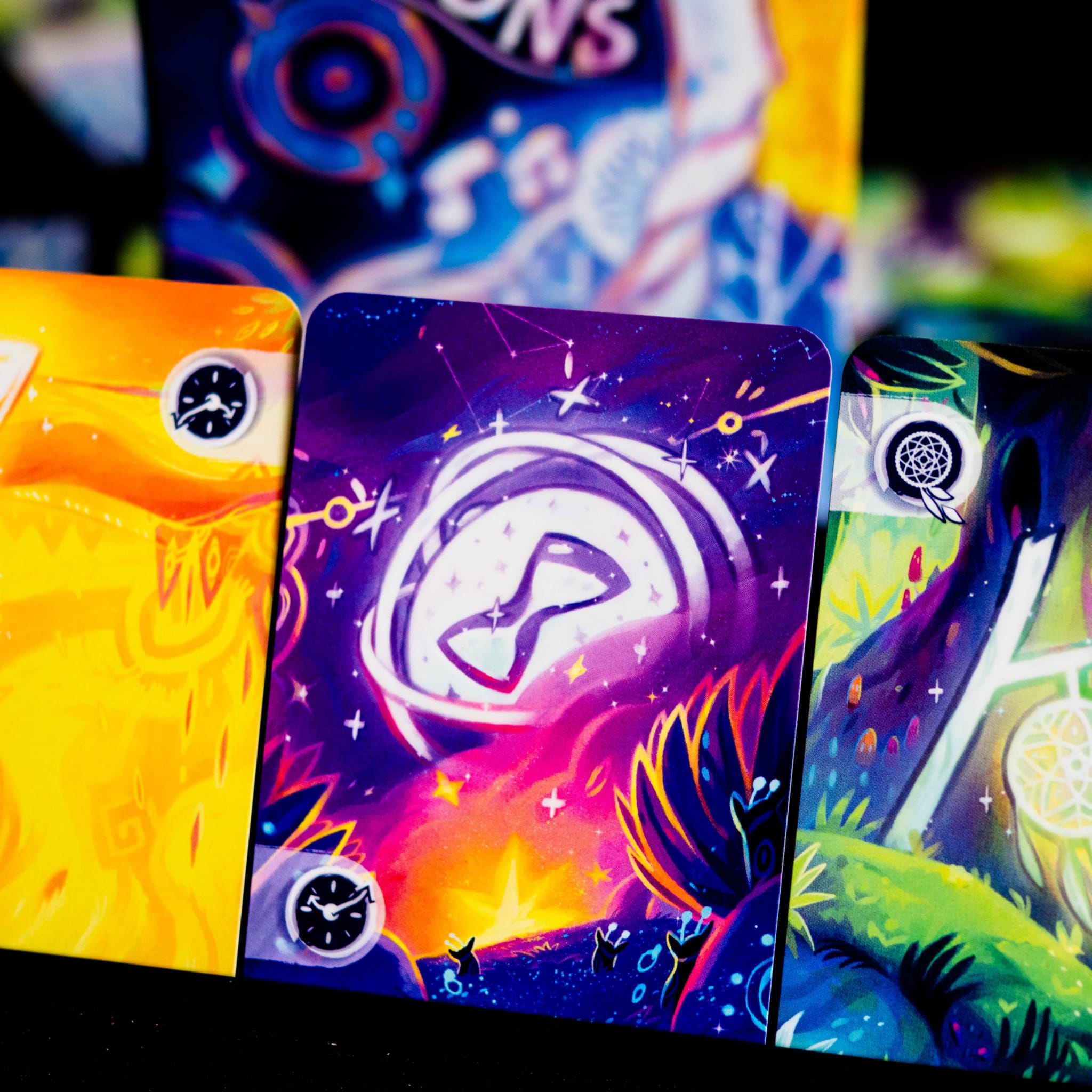
Reflections are triggered when a played card matches the one located exactly opposite it in the player’s other dream.
Each correspondence:
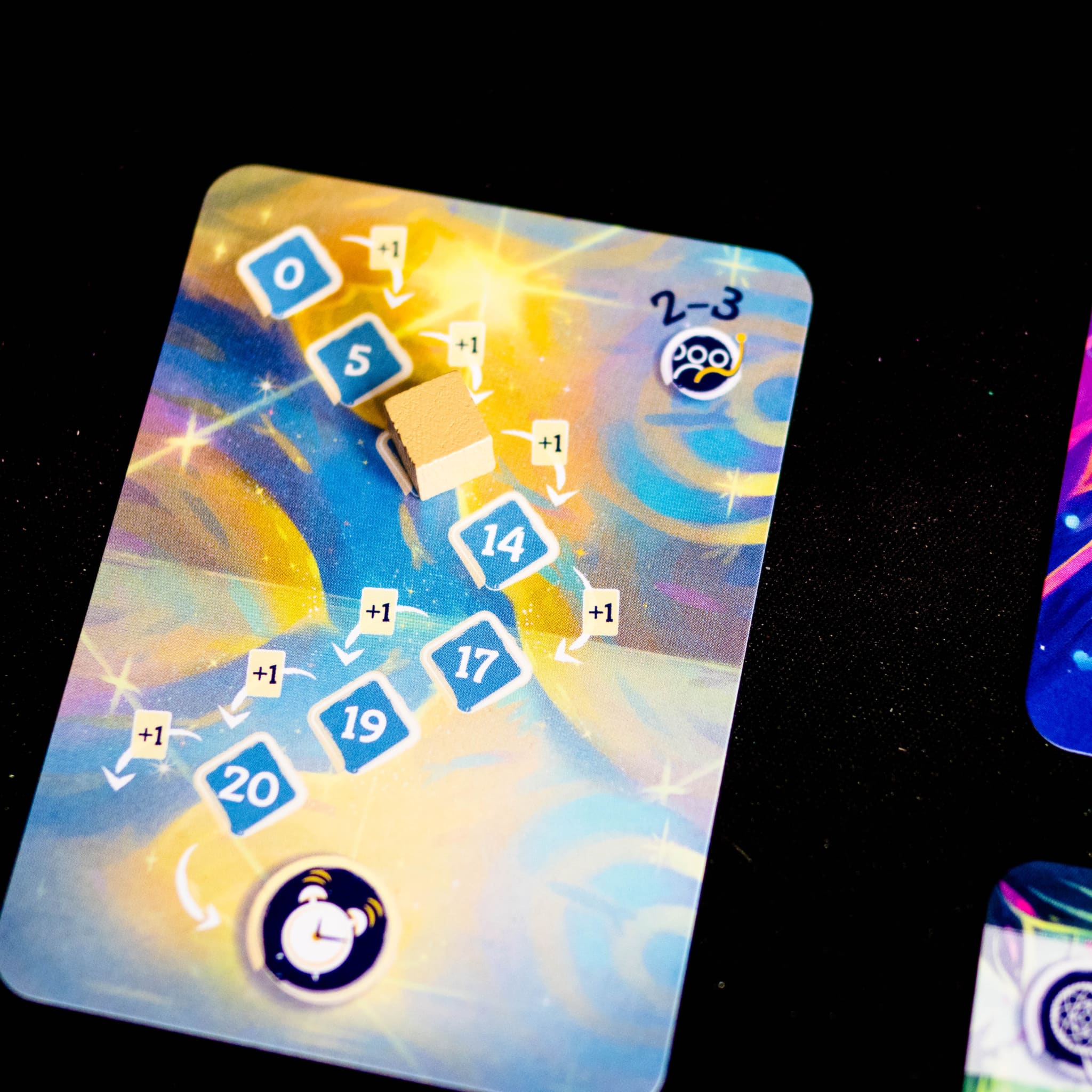
- moves the Reflet cube forward;
- adds an additional card in the river.
Two types of correspondence exist:
- same category;
- same environment.
An identical card can therefore trigger two Reflections at once.
If a player reaches the “Wake-up” space, they immediately win the game.
The Echoes
An Echo occurs when a player plays a card that is exactly the same as a card already present in the same dream.
In this case :
- he immediately plays another card;
- Several Echoes can be linked together.
2. Complete your hand
At the end of their turn, the player draws cards from the river until they have 3 cards in hand.
The river is only filled to 5 cards when it is completely empty… unless Reflections add cards in the meantime.
End of game and score
The game ends:
- when a player reaches the Wake-up space;
- or when there are no more cards in the draw pile and the river.
The final score is calculated separately for each of the two dreams: Number of cards from the most frequent environment x Number of cards from the most frequent category
Then we add the points earned on the Reflet track.