Skip to content Skip to sidebar Skip to footer

KIKAI: A tense and demanding strategic duel

What's this?

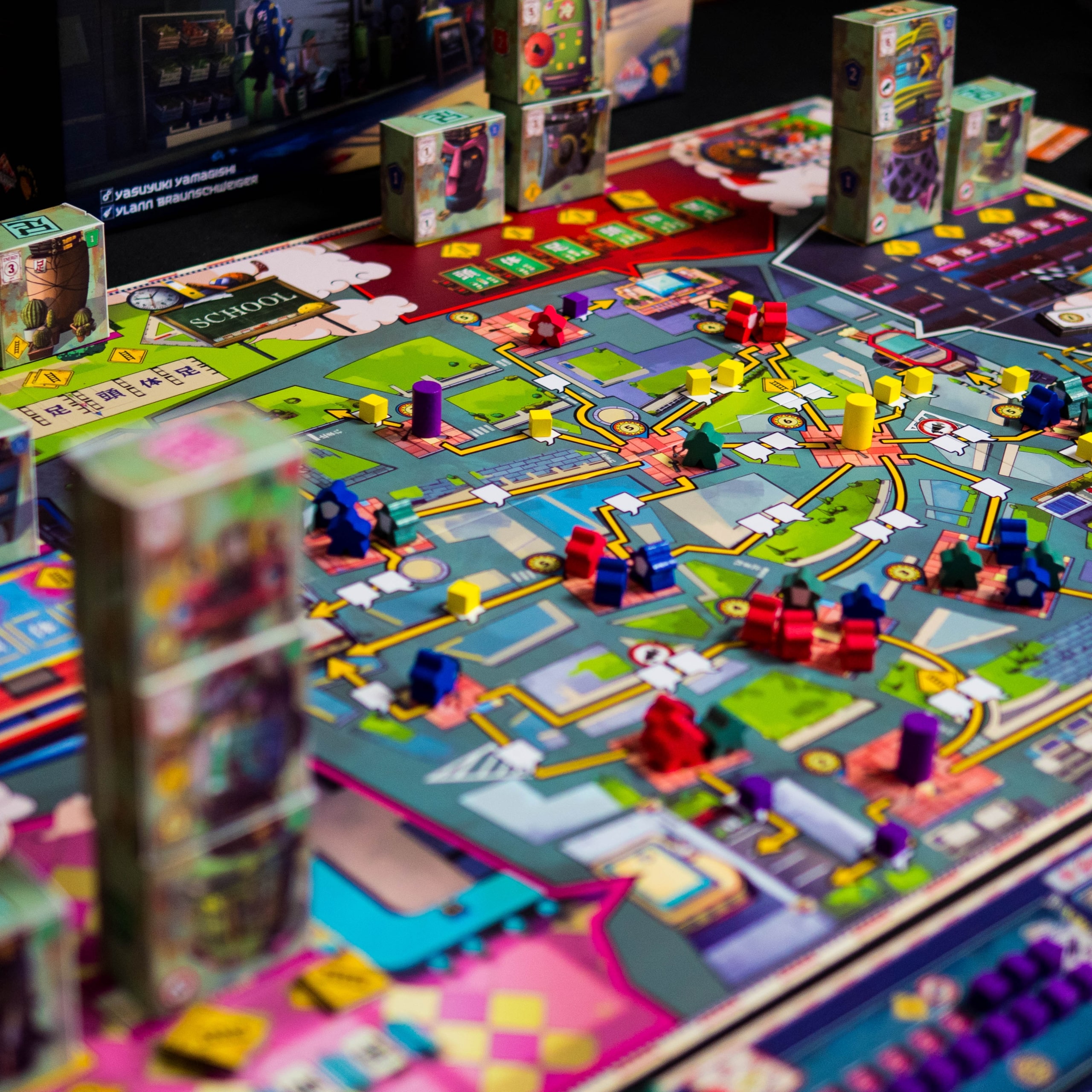
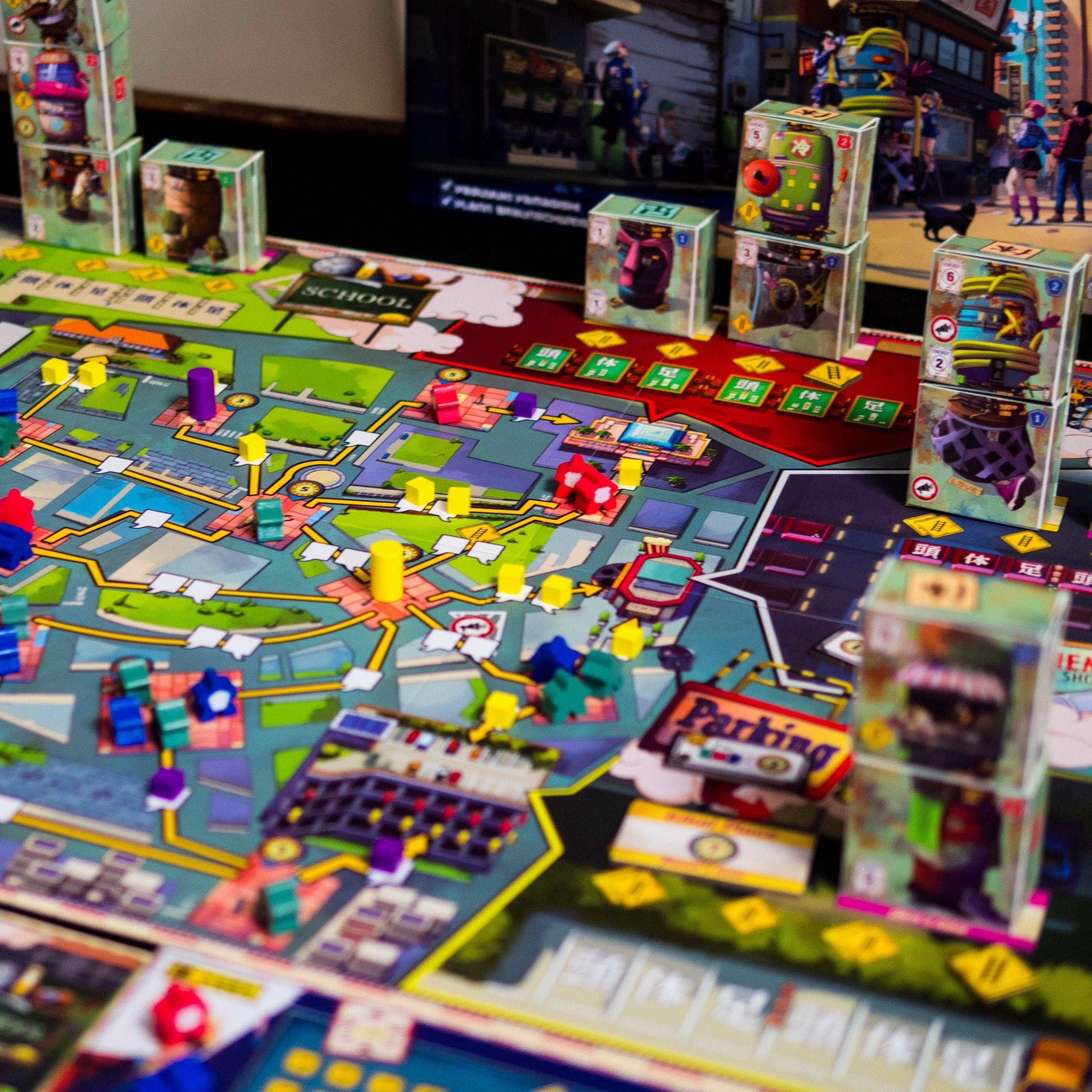
In KIKAI – Bricolage Heads , you play as a Tinkerer on Yukon Street, an urban district where the art of recycling becomes a spectacle. From discarded objects, you assemble mechanical creatures called KIKAI – feet, body, head – hoping to attract Fans, impress the Master Tinkerer, and gain fame.

How do you play?

A game consists of 4 rounds (or stops immediately if one player places all of their Advertising Panels).

In turn, each player always follows the same structure:

1️⃣ Play a Neighborhood card

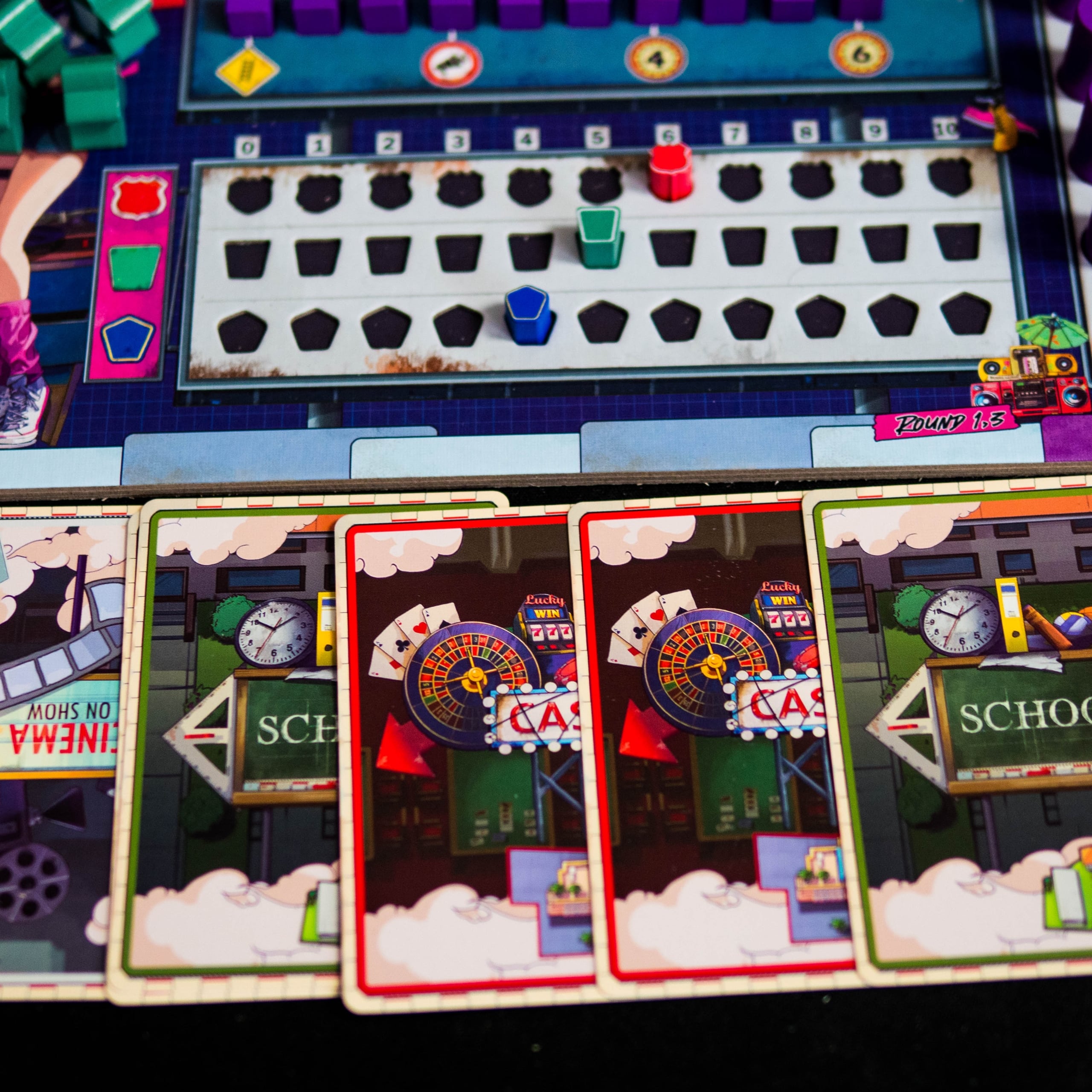
You choose a Neighborhood card from your hand (Casino, Diner, School, etc.).
This determines in which neighborhood you will perform your action.

💡 You can play 2 identical cards to take action in the district of your choice.
💡 You can discard 1 Megaphone to perform an additional action (only once per turn).

2️⃣ Perform ONE of the 4 actions

🔧 A. Construct a KIKAI element

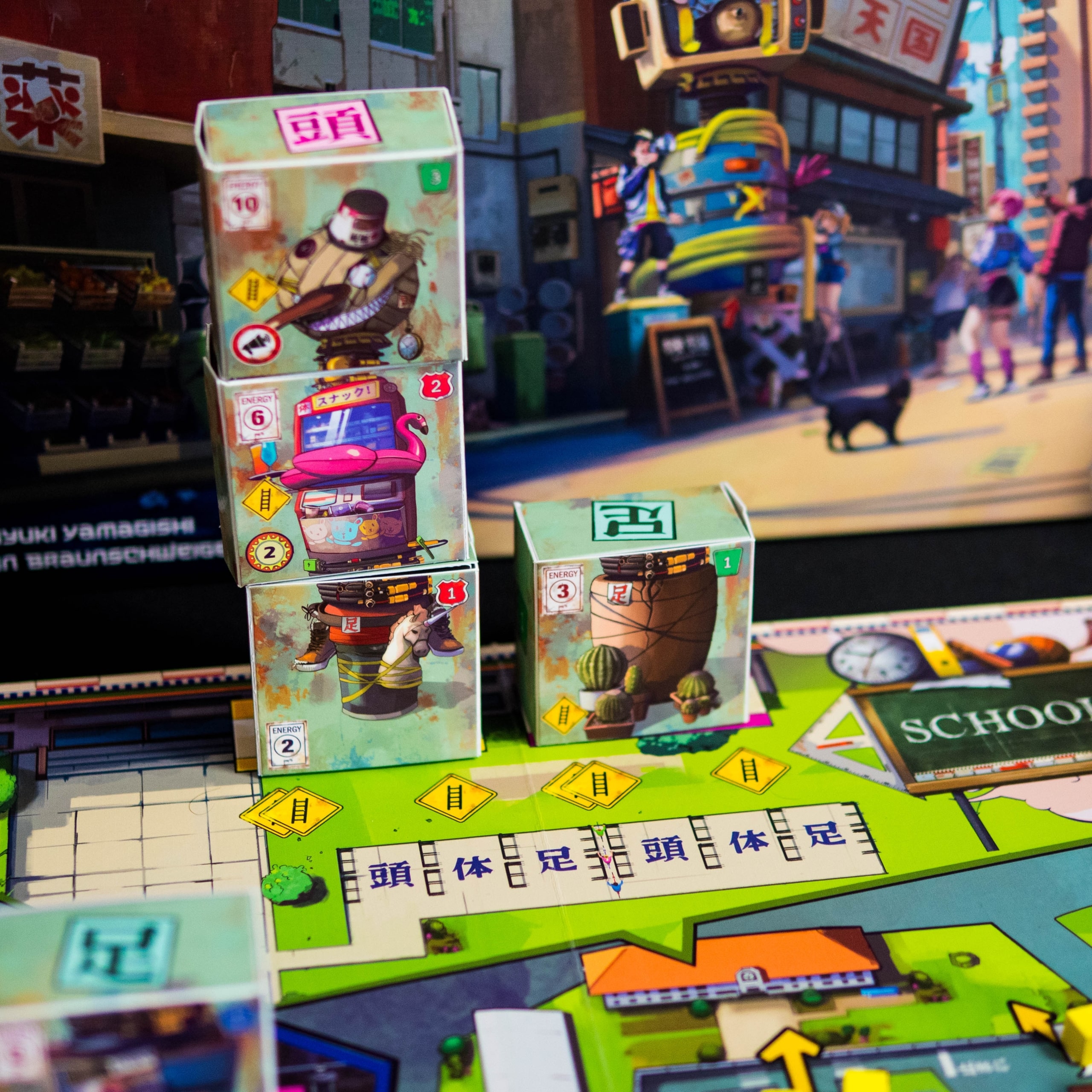
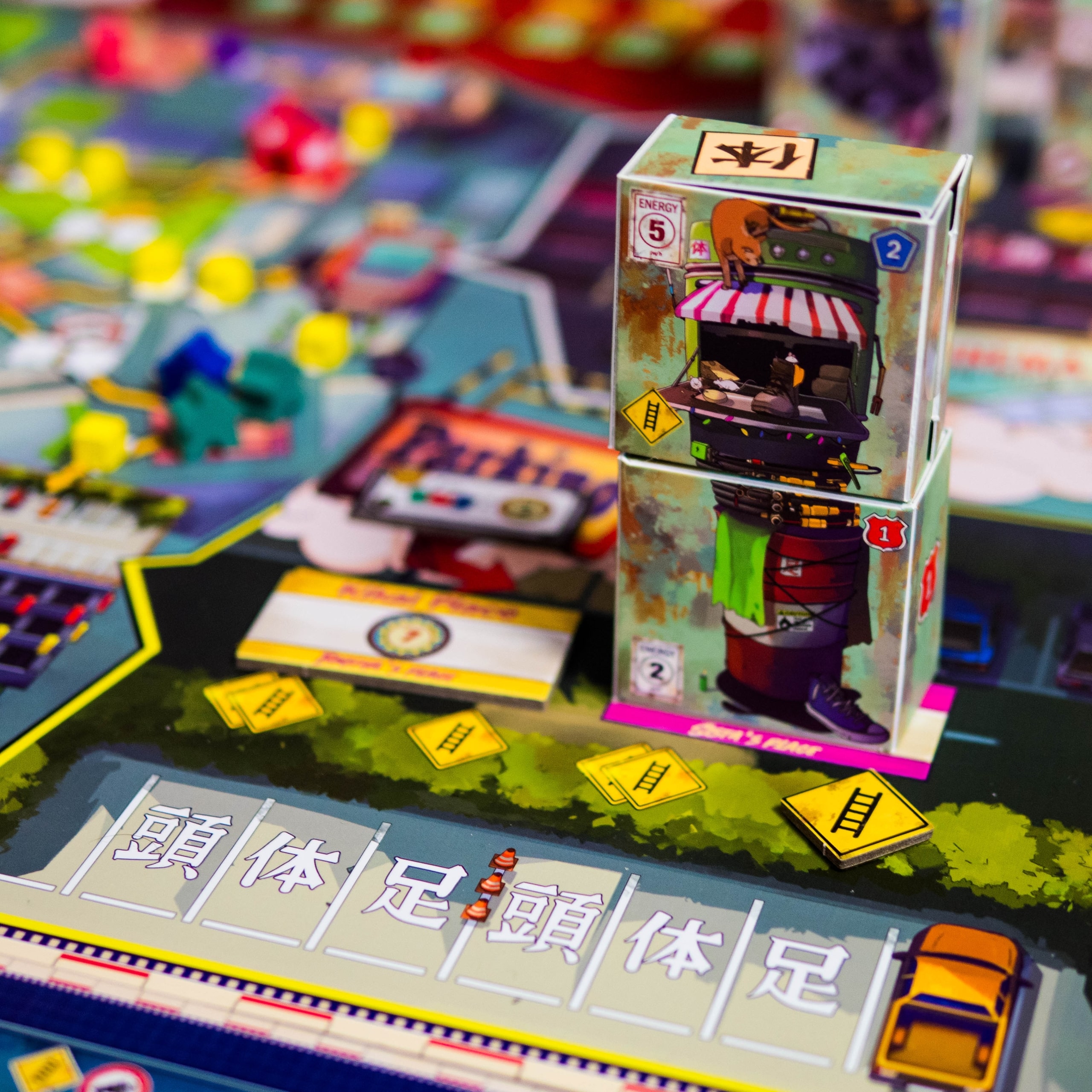
A KIKAI is always built in order:

Feet → Body → Head

  • You pay the cost in energy.

  • Each element has a color (red, blue or green).

  • The color determines which fans will be attracted.

  • You are progressing along the corresponding Influence track.

Important feature:

  • The Feet immediately provide 1 Influence.

  • Bodies and Heads require the placement of Ladders to unlock their Influence gain (+2 or +3) .

👉 Building the first Head of a district gives an immediate bonus .

📣 B. Distribute Flyers

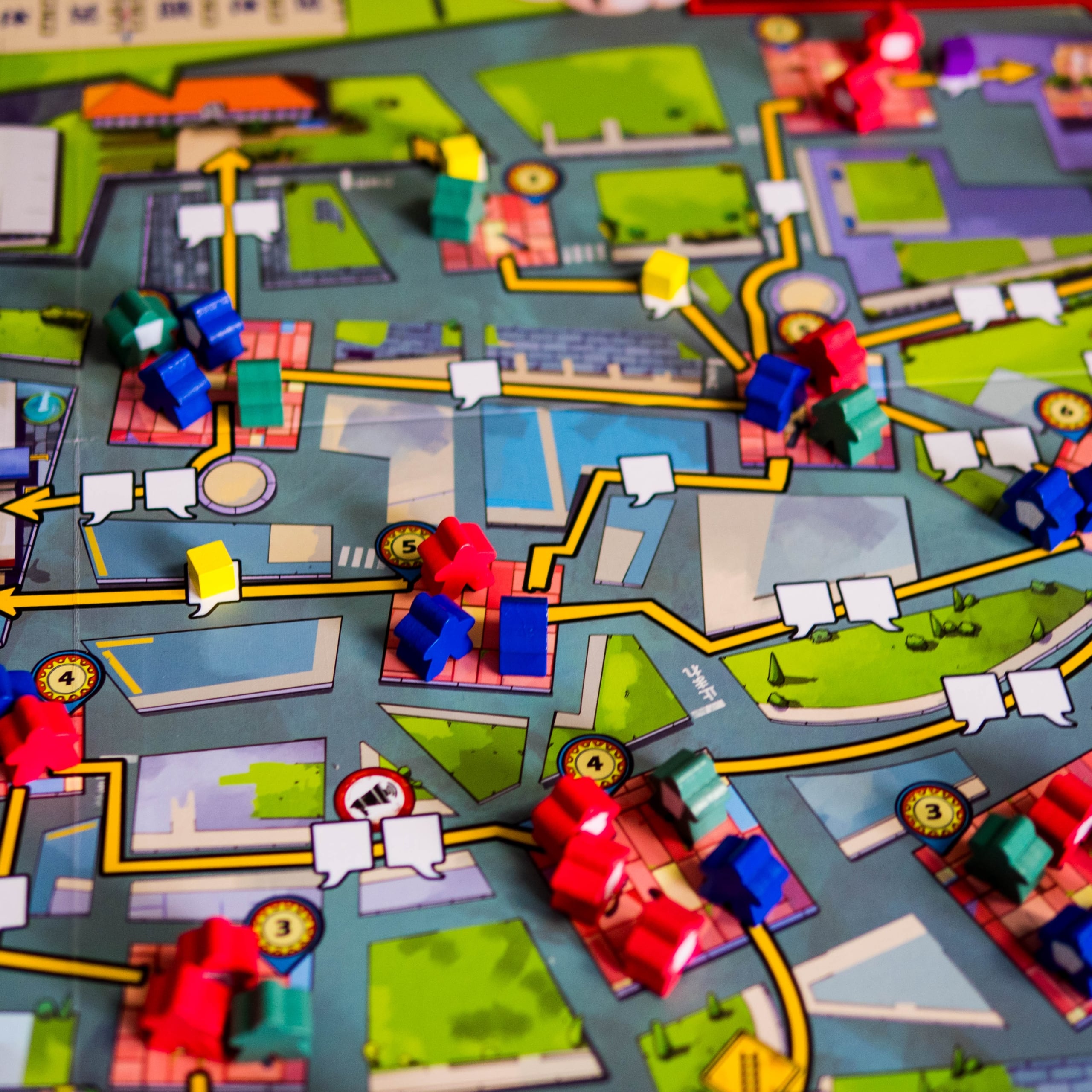
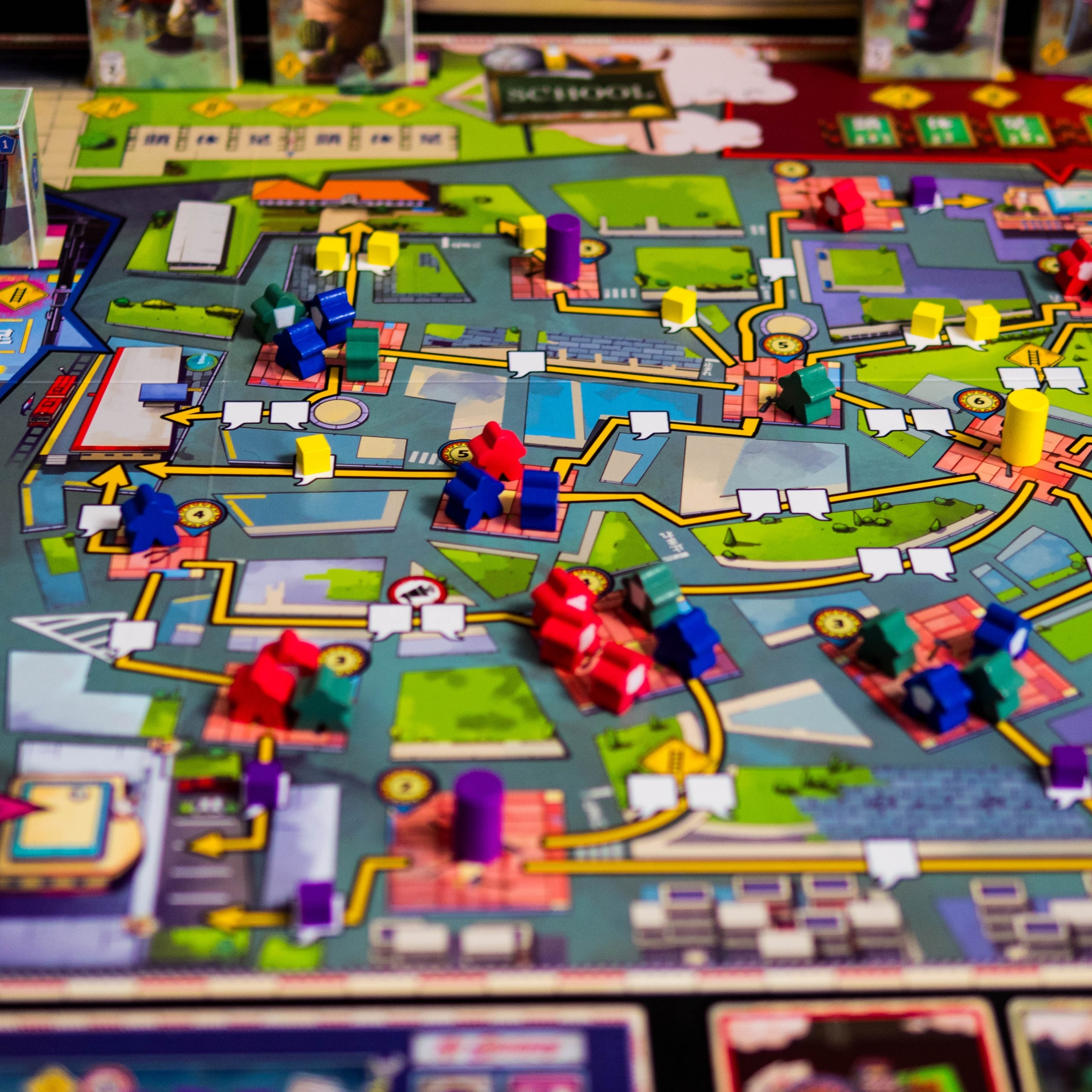
You are building your network on the streets of Yukon Street.

  • Each Dispenser costs 2 Energy.

  • Some streets require two to be installed at once (4 Energies).

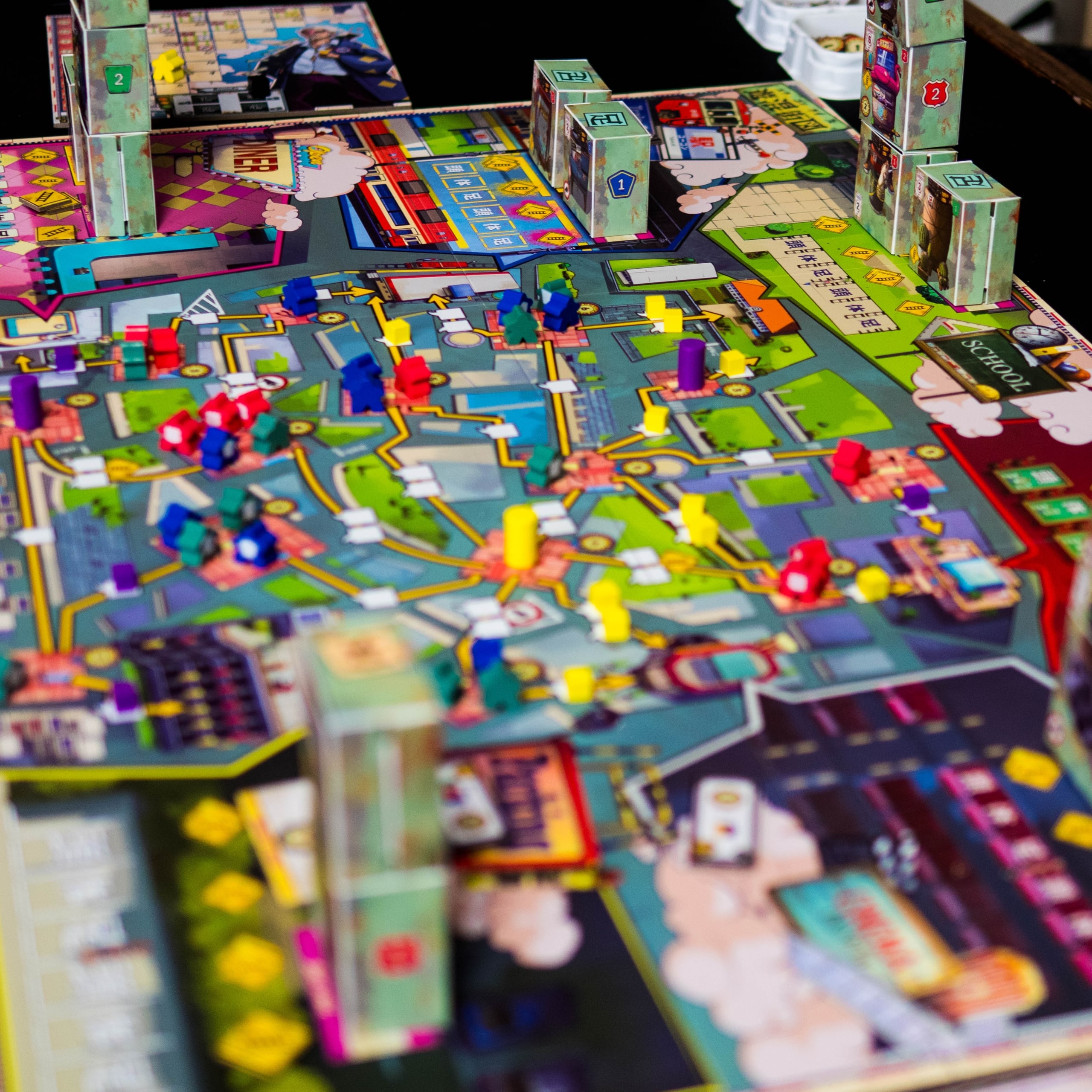
  • Your network necessarily starts from the neighborhood you are playing.

  • You cannot extend from the opposing network (but networks can intersect).

This network is essential: it will be used to attract fans later.

👥 C. Attracting Fans

If you have built at least the Feet in a district, you can attract Fans there:

  • 1 item = 1 Fan of the corresponding color.

  • Fans must be able to reach the neighborhood via a network (yours or the opponent’s).

  • Using the opponent’s network costs Energy (given to the opponent!).

Each activated Fan triggers the effect of the corresponding element (Energy gain, HP, Scale, etc.).

💡 If you completely empty a Fan Square, you place an Advertising Panel on it.

🎭 D. Putting on an Exhibition

You collect all your fans who are present in the neighborhood’s Fan Zone.

Afterwards :

  • You gain Energy.

  • You are progressing on the Master’s Fame track based on the Influence of the Fans recovered.

  • You receive the bonuses earned immediately.

You can spend Megaphones to bring back Fans from other districts (maximum distance: 3).

This is the key action to convert your work into concrete progress.

3️⃣ End of the round

  • You receive 1 Neighborhood card.

  • You can discard Ladders to draw additional cards.

🔚 End of round

At the end of each round:

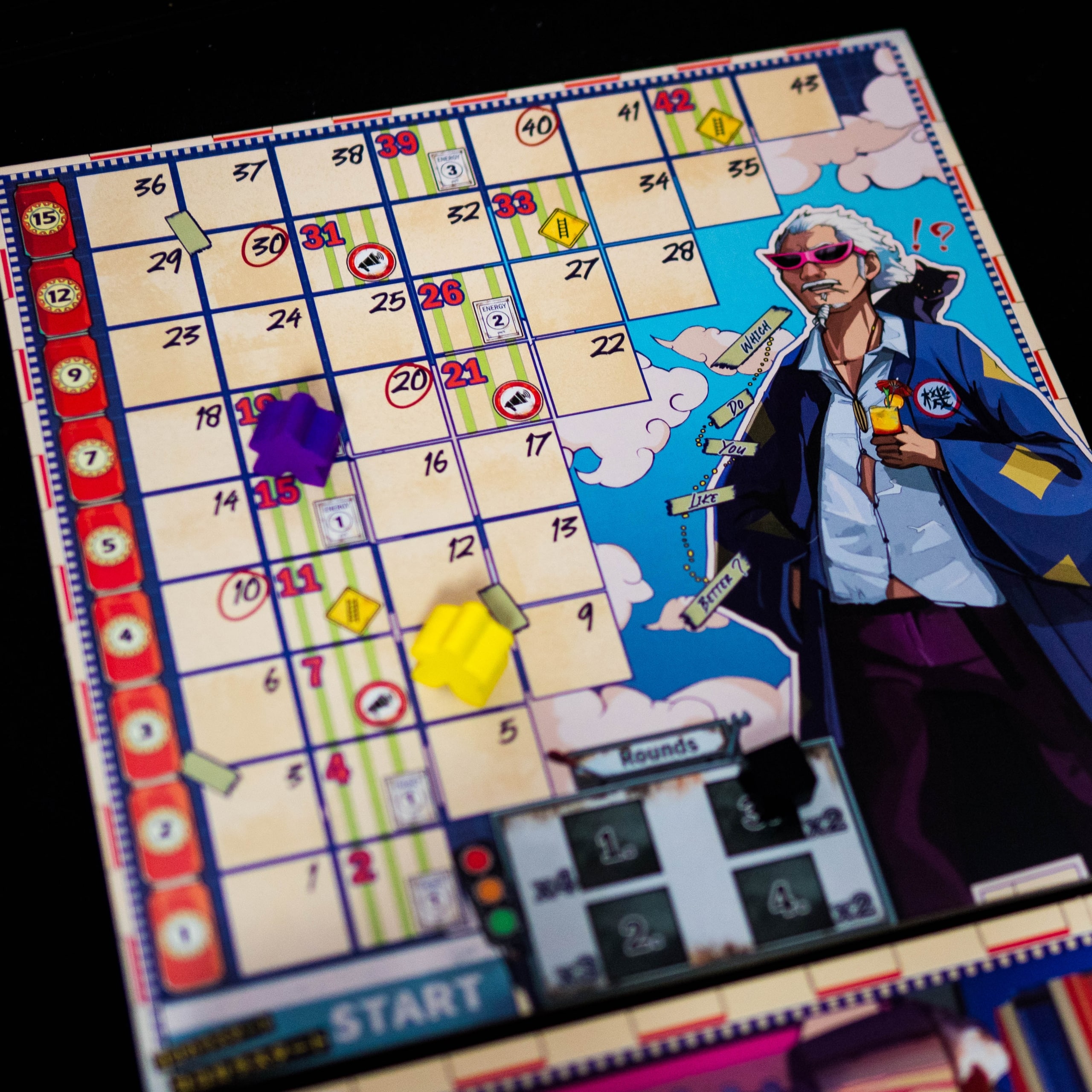
  • The Master’s trail is solved.

  • Players earn Victory Points (or apply effects in advanced mode).

  • We move on to the next round.

Is it good?

KIKAI – Bricolage Heads is a demanding yet highly satisfying strategic duel game that will particularly appeal to fans of two-player games who enjoy planning, optimizing, and interacting closely with their opponent. In some ways, it might even remind you of the number one game on BGG, the excellent Brass: Birmingham , especially in the tension of the network and its card management.

Every decision is fraught with tension: expand your network or build from scratch? Attract Fans now or wait for more profitable exposure? Interaction is constant: borrowing from your opponent’s network gives them energy, blocking a street can hinder a plan, and capturing Fans from a Square at the right moment can change everything. You’re constantly monitoring your opponent’s cards, anticipating their moves, and planning accordingly. Timing is everything.

Resource management, especially Energy, requires rigorous planning to avoid getting stuck. The game is tense, deep, demanding, and sometimes punishing. A mistake in anticipating costs can immobilize an entire turn, which some players may see as a flaw. There’s also a degree of dependence on drawing District cards, which can be frustrating when the ones you need don’t appear. Here, you have to be able to adapt, improvise with your hand, and optimize despite the constraints.

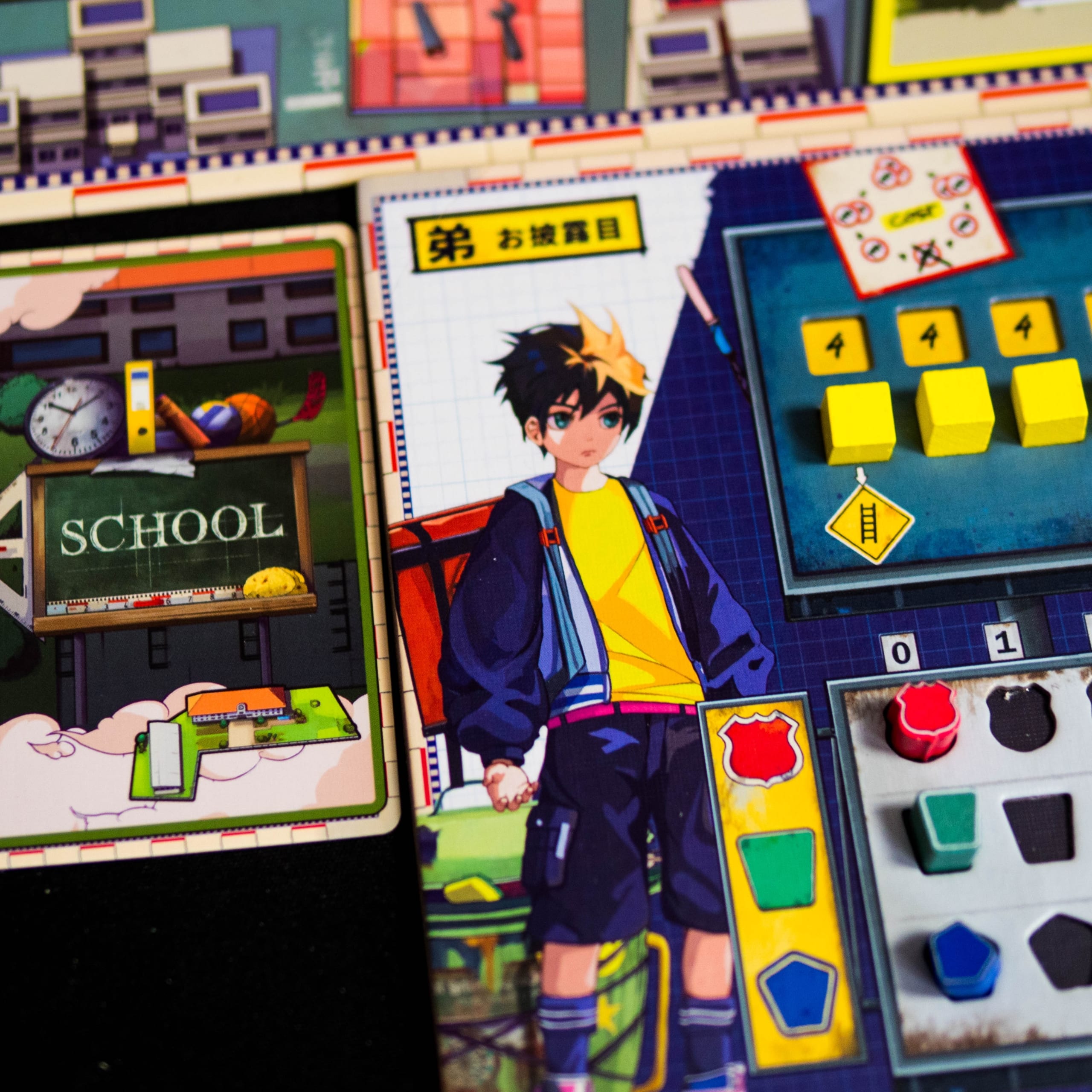
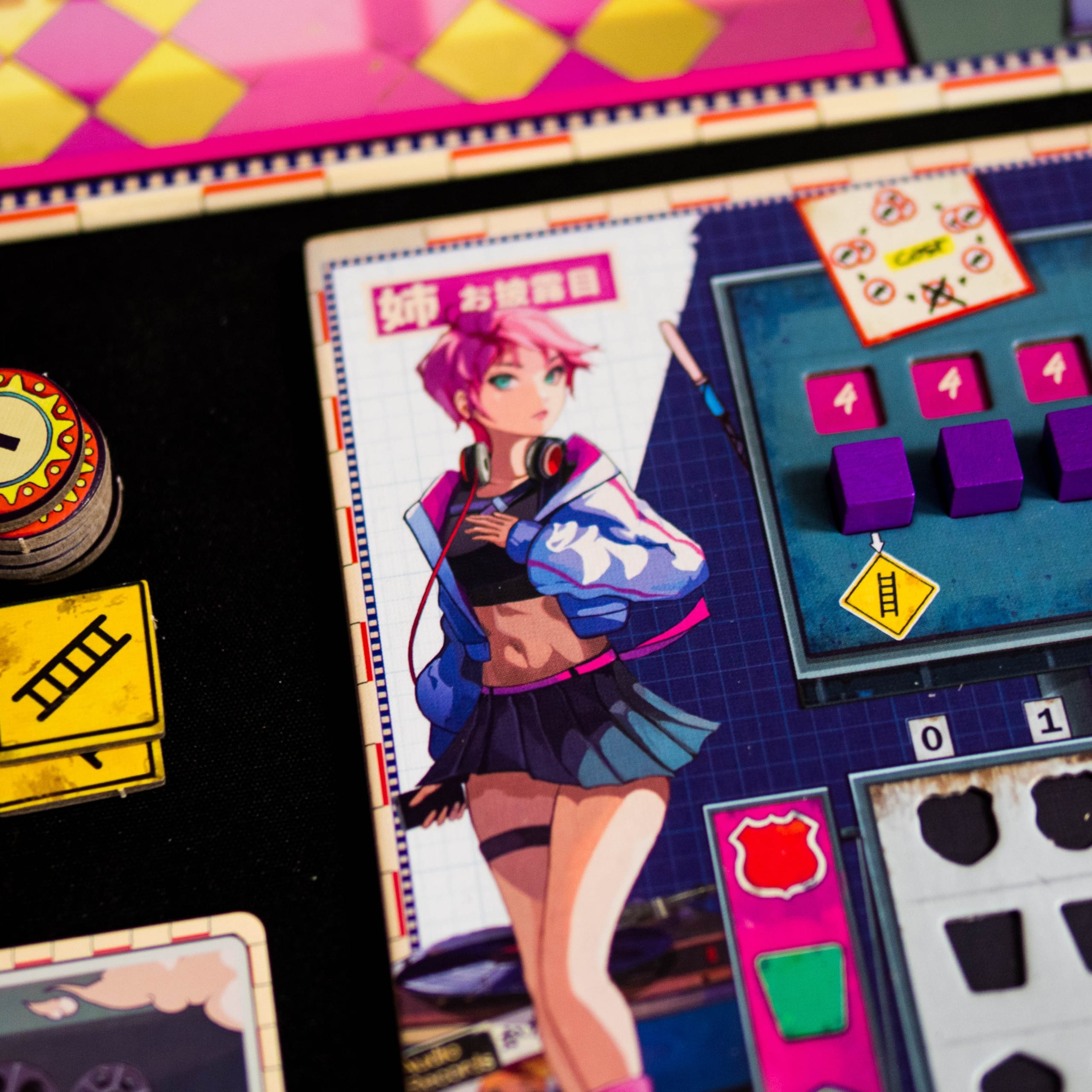
A word also about the quality of the components, which is absolutely impressive, especially considering the game’s price. KIKAI – Bricolage Heads also features beautiful illustrations by Ylann Braunschweiger, reinforcing a strong visual identity that has been completely redesigned compared to the original version of the game.

The game has a fairly steep learning curve. Despite having “only” four possible actions, the game is quite dense: there are many icons, phases, and micro-rules to absorb during the first game. The rulebook, while comprehensive, could have been clearer and more user-friendly in its presentation.

But this doesn’t detract from the qualities of KIKAI – Bricolage Heads , which offers a tense strategic duel where construction, management, and timing are effectively intertwined. Demanding yet rewarding, it rewards planning and optimization in a constant confrontation, making it one of the best two-player games of the year.

If you enjoy the content and would like to support the site, please purchase your games through our affiliate links. The price remains the same for you, but it allows us to earn a small commission. Thank you for your support!

KIKAI – Bricolage Heads Review
9.0Excellent
KIKAI – Bricolage Heads is a tense and demanding strategic duel where energy management, network development, and action timing create constant interaction between the two players. Deep and rewarding, it rewards planning and anticipation, but can be punishing and dense in the first few games.

Positives

  • Original theme
  • High-quality equipment
  • Beautiful illustrations
  • A very tense strategic duel
  • Constant and direct interaction
  • demanding and satisfying resource management
  • The importance of timing was very successful.
  • Great strategic depth

Negatives

  • Rulebook to be reviewed
  • Demanding energy management
  • Planning requirement
  • May be punitive in case of error
  • steep learning curve
  • Partial dependence on drawing Neighborhood cards

Leave a Comment

0.0/10

If you enjoy the content and want to support the site, purchase your games through our affiliate links. The price remains the same for you, but we earn a small commission. Thank you for your support!